Independent Bookshops in Brunswick
Brunswick Bound and Brunswick Second Hand Books provide two different starting points on Sydney Road. Brunswick Bound sells new books and other gifts at 361 Sydney Road. Brunswick Second Hand Books is upstairs at 136a Sydney Road and describes a curated range of used books. Check current stock and access before travelling.
This guide focuses on choosing the right shop, planning a useful visit and buying books that suit the reader. Opening hours and stock can change, so check directly with each shop before making a special trip.
Which Brunswick bookshop should you visit first?
Start with Brunswick Bound if you want a broad range or do not yet know what you want to buy. The Independent bookstore sits on Sydney Road, close to public transport and other local shops. Its shelves cover current releases, literary work, popular novels, essays, politics, cookbooks, art books and books for young readers.
The value of a broad shop appears when your first idea fails. A novel may look right online but feel wrong once you read a page. A cookbook may have a fine cover yet use ingredients you rarely buy. In a physical shop, you can compare several books without committing to the first result shown by an algorithm.
Choose Brunswick Second Hand Books for used books, including classic fiction, philosophy, history and art or music titles. Stock depends on what the shop has sourced; do not assume a specific edition will be available.
Neither shop needs to carry every book to be useful. Good Bookselling rests on selection, knowledge and the ability to order a title that is not on the shelf. Ask whether the shop can place a special order before turning to a large online seller. That sale helps the shop while still getting you the exact book you need.
What makes Brunswick Bound worth a dedicated visit?
Brunswick Bound works well for general browsing because it serves many kinds of readers without feeling like a warehouse. Someone looking for a new novel can browse beside a parent choosing a picture book. A reader interested in local history can move from Australian writing to social issues without searching several stores.
Its Sydney Road location also makes it easy to include in a wider walk through Brunswick, Victoria. Trams and trains reduce the need to plan around parking. Cafes and public spaces nearby give you somewhere to inspect a purchase or begin reading it while the choice is still fresh.
The staff recommendation is often the most useful part of the visit. Give the bookseller one firm clue rather than asking for something good. Name a book the reader loved and explain why. You might say that they liked the tense family conflict, the short chapters or the dry humour. This gives the bookseller a real feature to match.
Tell the bookseller what you enjoyed about a previous title: pace, voice, mood or subject. These clues can make a recommendation more useful than asking for something good.
Why would you choose a smaller specialist bookshop?
For an art, photography or design book, inspect the paper, image size, binding and layout where browsing is permitted. Ask either shop about a specific title rather than assuming it maintains a specialist collection.
Focused shops also make room for work from small presses. These books may receive little promotion even when the writing or production is excellent. A bookseller can explain why a title earned shelf space and who is likely to enjoy it.
This is useful for gifts. A widely advertised hardcover may be easy to find, but the recipient may already own it. A small press title, an artist publication or a carefully produced essay collection feels more personal. Check the recipient's interests first. A beautiful book still fails as a gift if its subject has no link to their life.
If adding shops outside Brunswick, check the address and travel time separately. Brunswick East is a neighbouring suburb, and Brunswick Street in Fitzroy is not in Brunswick.
How can you find the right book without feeling overwhelmed?
Set one purpose before you enter. Decide whether you are buying for yourself or another person. Then choose whether you need a specific title or want a recommendation. This small decision stops you from drifting between shelves without learning anything.
If you are browsing for yourself, read the first two pages of any book that catches your eye. The opening reveals more than the cover copy. Notice whether the sentences pull you forward and whether the point of view feels natural. Put the book back if reading already feels like work, unless that challenge is what you want.
For Fiction, explain the reading experience you want. Ask for something fast, quiet, funny or unsettling. Mention a firm limit if you have one, such as no graphic violence or no series. This gives the bookseller room to suggest a title while protecting you from an obvious mismatch.
For Non-fiction, begin with the problem you want the book to solve. A broad history and a practical handbook may share a subject but serve different needs. Check the publication date when facts, laws, technology or travel details could have changed. For memoir or criticism, read a full page to test whether you trust the author's voice.
Children's literature requires a different test. Reading level matters, but interest matters more. A child who loves insects may attempt harder text in an insect book while rejecting an easier story about a topic they dislike. Tell the bookseller the child's age, current interests, reading confidence and one recent favourite. Four clear details beat a vague request for an age-appropriate book.
What should you ask a bookseller?
Ask questions that draw on judgment rather than stock data. A bookseller can quickly check whether a title is available. Their deeper value lies in comparing books and explaining who tends to enjoy them.
Useful questions include:
- What would you suggest for someone who loved this author but wants a different setting?
- Which edition has the clearest notes or the best images?
- Is there a local writer covering this subject?
- Can you order this title, and how long does it usually take?
Share your budget at the start if price matters. This prevents the bookseller from building a strong case for a book you cannot buy. It also opens other options, such as a paperback edition, a smaller format or another work by the same writer.
Do not treat a recommendation as an obligation. Read a page and inspect the book. A good bookseller wants the match to work because a satisfied reader returns. Saying that a suggestion does not suit you gives them useful information for the next choice.
How should you plan a bookshop walk?
Use Sydney Road as the anchor for this two-shop route. Brunswick Bound is at 361 Sydney Road; Brunswick Second Hand Books is at 136a Sydney Road. Check opening hours and the upstairs access at the latter before planning both stops.
Allow more time inside the shops than the route seems to require. Twenty minutes is enough when collecting a known title. General browsing can easily take an hour, especially if you compare editions or ask for help.
Carry a short wish list on your phone. Record the author and exact title because similar book names cause mistakes. Add a photo of the cover only as a secondary clue. Covers change between Australian, British and American editions.
If you plan to buy several heavy books, visit the farthest shop first and finish near your transport home. A tote bag with a firm base protects corners better than a thin plastic bag. Keep art books flat and separate from cold drinks, which can form moisture on the outside of a bottle.
People visiting from other parts of Melbourne should confirm trading hours on the day. Independent shops may adjust hours for events, public holidays or staffing needs. A quick check also tells you about readings, launches and children's sessions that could affect how busy the shop will be.
Are events and book clubs worth attending?
Yes, when the event connects with a book or subject you already care about. Author talks add context that rarely fits inside a review. A skilled interviewer may draw out how the book changed during writing, which sources shaped it or why a difficult section took its final form.
Book clubs help readers move beyond familiar authors. The set date creates a reason to finish, while the discussion reveals how differently people can read the same scene. You do not need a clever theory to take part. One clear reaction to a character, claim or passage is enough.
Check the event rules before attending. Some sessions require a booking even when entry is free. Others include the book in the ticket price. If an event sells out, ask whether there is a waiting list or signed stock available later.
Events also support a shop in ways that casual foot traffic cannot. They bring readers together around the store and give publishers a reason to send writers beyond large central venues. Buying the featured book from the host shop keeps that cycle working.
How do you support a local bookshop when money is tight?
Buy fewer books with more intent. One book you will read is better value than a stack chosen because it was discounted. Independent shops understand budgets, and asking for a paperback or lower-priced option is normal.
Special orders are another direct form of support. If you already plan to buy a book, let the local shop supply it. You may wait longer than you would for express delivery, but the purchase strengthens a place you can return to for advice.
There are useful forms of support that cost nothing. Follow the shop's own account for event notices. Recommend it when a friend asks where to find a book. Use the store's correct name and location in a review so other readers can find it.
Gift cards solve the risk of choosing the wrong title while keeping the money with the shop. They work best when the recipient lives nearby or often visits Brunswick. For someone farther away, check whether the card can be used online or by phone before buying it.
What do online lists often get wrong about local bookshops?
Many lists treat every place that sells books as the same kind of business. A dedicated Independent bookstore offers a different experience from an op shop with a book shelf, a market stall or a retailer selling books beside homewares. Each can be worth visiting, but they solve different needs.
Directory pages also age quickly. A shop can move, change its focus or alter its hours while old listings remain live. Treat an old article as a lead, not proof that a business is open today. Confirm details through the shop's current channel.
Another common mistake is ranking stores by size. More stock does not guarantee a better visit. A smaller shop may be the right choice when its buyer understands your subject. The useful measure is whether the collection and staff can help you find a book that suits your purpose.
Local boundaries can cause confusion. This guide’s two confirmed shops are in Brunswick. Shops in Brunswick East or Fitzroy may be useful additions, but belong to separate suburbs.
What should you do before your next visit?
Turn the visit into a simple buying plan:
Write down one book you enjoyed and why. Compare Brunswick Bound for new books with Brunswick Second Hand Books for used titles. Check current hours, access and availability directly, then read a sample before choosing.
Take one useful clue about your taste to a Brunswick bookseller and let that clue guide your next book.
Operator sources: https://www.brunswickbound.com.au/ and https://www.brunswicksecondhandbooks.com.au/. Brunswick Bound publishes access information, including a shallow front ramp and no public toilet: https://shop.brunswickbound.com.au/pages/6507-Accessibility. Brunswick Second Hand Books lists a first-floor shop, so ask directly about access needs. Reviewed 11 October 2026.
Explore more local guides at https://brunswicklocal.pages.dev/.
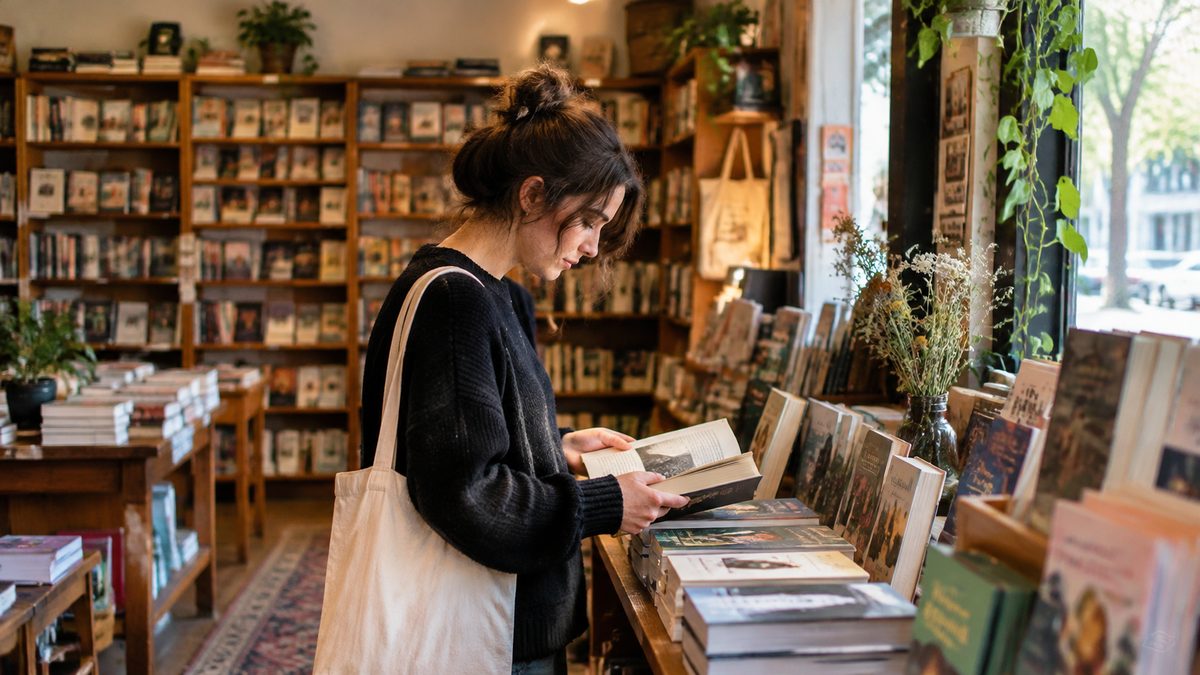
Image: AI-generated editorial illustration; it does not document a particular venue or visit.