Sydney Road Brunswick Vintage Shopping
The best way to shop vintage on Sydney Road is to walk slowly, inspect every item and visit several stores before buying. The useful stretch is spread along a busy street, so treat the trip as a hunt rather than a quick stop. You may find Vintage clothing, older Furniture, records, jewellery and pieces with a clear Retro style. Stock changes often. A poor visit one week can become a great one after new goods arrive.
Sydney Road feels different from a Shopping mall because each shop has its own taste, prices and rules. That mix makes Brunswick, Victoria worth exploring. It also means you need a plan. Start with a clear list, wear clothes that make fitting easy and leave enough time to compare what you find.
Where should you start your vintage shopping walk?
Begin near a tram or train connection that suits your trip, then walk one side of Sydney Road before returning along the other. This simple loop stops you from crossing traffic every few minutes. It also makes small stores easier to notice.
Do not judge the street by the first shop. Some sellers focus on selected Fashion pieces. Others carry low-cost second-hand Clothing, household goods or mixed stock. A store with a plain window may hold the best item of the day. Selection matters more than display when you are searching for value.
Set aside at least two hours for a focused visit. Allow half a day if you want to try on clothes, look through crowded racks and stop for food. Sydney Road runs through a large part of Brunswick, so a strict end point helps. Pick a final tram stop or landmark before you begin. When you reach it, turn back on the other side.
Save promising items on your first pass unless stock is scarce and the fit is exact. Take a photo if the shop allows it. Note the price and store location. You can then compare similar pieces before deciding. This works well for denim jackets, leather bags and household pieces, where condition can differ more than the first price suggests.
What should you look for before entering a store?
Use the window to learn what type of shop you are about to enter. A carefully styled display often points to edited stock and higher prices. Dense rails or mixed shelves may take more work, but they can reward patient shoppers. Neither format guarantees better quality.
Check whether the shop sells true vintage, recent second-hand goods, new items made in a Retro style or a mix of all three. These groups can look similar from the street. Their value is different. An older garment may carry uncommon fabric, construction or design. A modern retro item offers the look without the age. It should not command the same price merely because it hangs beside older stock.
Check the shop’s change-of-mind policy before buying, especially if you cannot try an item on. This is separate from consumer guarantees: buying second-hand from a business does not remove statutory rights. Age, price, condition and disclosed defects matter. Consumer Affairs Victoria explains the rules at https://www.consumer.vic.gov.au/consumers-and-businesses/products-and-services/refunds-repairs-and-returns/sales-seconds-factory-outlets-second-hand/second-hand-items-refunds.
How can you tell whether vintage clothing is worth buying?
Start with fabric and construction. Feel the material, then check the seams from the inside. Look for loose stitching, stretched elastic and repairs that pull against the cloth. Hold thin fabric toward a light source to find small holes. On dark garments, inspect the underarms, collar and cuffs for fading.
Test every zip, button and press stud. Open and close them with normal force. Check that buttonholes have not torn and that spare buttons match. A missing plain button is easy to fix. A broken metal zip in a fitted dress or heavy jacket can turn a cheap purchase into an expensive repair.
Smell the garment. Strong perfume can hide smoke, damp or storage odours. Some smells leave after washing. Mould can remain in fibres and may spread to other clothes. If the item feels damp, has scattered dark spots or carries a musty smell that reaches you before the fabric does, leave it behind.
Look at alterations. Shortened hems and moved buttons may be useful, but they change the fit. Uneven side seams can make a garment twist when worn. Extra fabric inside a hem or seam may allow a tailor to let the item out. That hidden allowance can make an almost-right piece workable.
Then ask one firm question: would you wear it within the next month? A rare label or striking print has little value if it stays in the wardrobe. Sustainable fashion only works when the item replaces another purchase and gets regular use.
Why do vintage sizes feel so inconsistent?
Size labels change across decades, countries and brands. An older size 12 may fit like a much smaller current size. Washing, wear and past alterations can change it again. Treat the label as a clue, not a promise.
Measure a garment you already own and like. Record the width across the chest, waist and hips, plus the shoulder and total length. Keep the figures on your phone. For trousers, add the rise and inner-leg length. Flat measurements let you screen items even when a fitting room is busy or unavailable.
Wear a close-fitting top and easy shoes on the day. This makes quick try-ons less awkward. Move once the garment is on. Sit, lift your arms and take a few normal steps. A coat that looks perfect while standing still may pull across the back. Trousers may fit at the waist yet restrict the hips when you sit.
Do not buy for a future body size. Tailoring can solve a long hem or loose waist, but it cannot always add fabric where none remains. Buy for the body wearing the item now.
How should you judge the price?
Price follows condition, demand, material, maker and how much work the seller has done to source the item. Age alone does not create value. A damaged mass-made shirt is still a damaged shirt, even if it is old.
Compare the asking price with the cost per wear. A well-made wool coat worn 80 times can offer better value than a cheap novelty jacket worn twice. Add cleaning and repair costs before deciding. A $20 garment that needs a new zip, specialist cleaning and sleeve work is not a $20 purchase.
Selected vintage stores often charge more because staff have sorted, cleaned and presented the stock. Op shops and mixed second-hand stores may cost less, but you provide more of the labour. You search longer, inspect more carefully and accept less certainty about origin. Choose the format that suits your time as well as your budget.
Set spending limits by item before you arrive. You might allow more for a daily jacket than for a party shirt. This protects you from paying extra because a piece feels unique. Most vintage goods are one-off finds, but scarcity does not turn the wrong item into the right one.
What makes a piece easy to wear rather than costume-like?
Build around one strong older piece. Pair a patterned shirt with plain trousers, or wear a bold jacket over a simple modern base. This keeps the outfit useful beyond one event. Full period dressing can work when that is your aim, but it demands more care to avoid looking like hired costume.
Colour offers a quick test. Hold the item near your face in natural light. If the colour makes your skin look dull, you may wear it less than expected. For Furniture and home goods, compare the colour with photos of the room where it will sit. Shop lighting can make timber and fabric look warmer than they appear at home.
Check whether the piece works with shoes, layers and accessories you already own. A beautiful coat that fits over a T-shirt but not a winter knit has limited use. A side table that blocks a doorway by five centimetres is still too large. Good vintage shopping depends on fit in real life, not appeal on the rack.
Can you shop well without knowing vintage labels?
Yes. Construction gives you more useful information than label fame. Look at fibre content, seam finish, lining and how the item hangs. Natural fibres can feel good and age well, but they still need inspection. Wool attracts moth damage. Silk can split along stressed seams. Leather can dry, crack or carry water stains.
Labels can help date a garment, yet old-looking tags are not proof of age. Modern makers copy fonts, logos and care labels. Search the brand and label details later if age affects the price. Do not pay a collector price based on a seller's guess.
For unlabelled items, focus on whether the piece is sound, fits and suits your use. Many excellent garments were home sewn or made by small firms that left little public record. A missing famous name does not reduce the practical worth of strong fabric and careful work.
How do you inspect furniture and homewares on Sydney Road?
Carry the measurements of your room, doorway and vehicle. Include the narrowest stair or hall. Older Furniture may be solid and heavy. A piece that fits the room can still fail at the front door.
Press gently on tables and chairs to test movement. Check joints, legs and the underside. Fresh screws around old timber may point to a repair. That is not always bad, but the repair should hold firm. Look for water rings, lifting veneer, woodworm holes and deep cracks. Open drawers fully and smell inside cupboards.
Ask how large goods must be collected and whether the store offers delivery. Confirm the fee, service area and collection deadline before paying. Measure again at home if there is any doubt. A phone photo with dimensions written over it can prevent an impulse mistake.
With electrical goods, decoration and function are separate issues. An old lamp may look sound while its wiring has aged. Have second-hand electrical items checked by a qualified person before regular use.
How does vintage shopping cut waste?
Buying used keeps an existing object in service and reduces demand for a new replacement. That is the clear case for Sustainable fashion. The gain weakens when shoppers buy large amounts they never wear, drive long distances for low-value items or discard purchases after one use.
Shop with a gap list. Write down what your wardrobe or home lacks, including colour, size and purpose. This keeps the trip focused while leaving room for a rare find. If an item is outside the list, ask what it will replace.
Care matters after the sale. Follow the fibre needs rather than guessing from the garment's age. Air wool between wears, store it clean and protect it from moths. Hand wash delicate pieces only when the fabric and construction allow it. A careful repair often extends useful life more than buying another item.
When is the best time to visit?
Weekdays usually give you more space to inspect rails and speak with staff. Weekends bring more people and a livelier street, but popular sizes may move quickly. Arrive earlier if you want calm fitting rooms or need help with a large purchase.
Stock timing matters more than season. Ask staff when new goods tend to reach the floor, but expect the answer to vary by store. Some add pieces each day. Others release a larger group at set times. Follow favourite shops through their current contact channels if you want notice of special drops or sales.
Weather changes the trip. Sydney Road is a long outdoor strip in Melbourne, even though the shopping happens indoors. Carry a light bag that leaves your hands free and bring a compact layer. Avoid buying more than you can carry safely back to public transport.
What mistakes waste the most money?
- Buying because an item is old: Age does not fix poor condition, weak fabric or bad fit.
- Skipping the inside check: Linings, seams and pockets often reveal damage hidden by the outer fabric.
- Trusting the size tag: Measure or try on every piece.
- Ignoring care costs: Specialist cleaning and repair can exceed the purchase price.
- Shopping without room measurements: Large home goods must fit through the full path to their final place.
- Removing tags too soon: Keep the receipt and tags until you understand the store's return terms and have checked the item again at home.
A useful final check takes less than a minute. Ask whether the item fits now, whether its flaws are acceptable and whether you know when you will use it. If one answer is no, put it back.
How can you plan a better Sydney Road shopping day?
- Write a short gap list and set a price limit for each type of item.
- Save your body or room measurements on your phone.
- Choose a start point and end point linked by public transport.
- Walk one side of the road, then return along the other.
- Photograph serious options where the store permits it.
- Compare condition, fit and repair cost before paying.
Leave room in the plan for surprise. The strength of Sydney Road is variety across independent Retail spaces. Yet surprise works best inside firm limits. A clear budget and honest fit check let you enjoy the hunt without taking home someone else's clutter.
Your single next step is to save your measurements and a five-item gap list on your phone before starting your Sydney Road Brunswick vintage shopping walk.
Local starting points: Goodbyes lists its Brunswick store at 127–129 Sydney Road (https://www.goodbyes.com.au/stores), and Vinnies lists 107 Sydney Road (https://www.vinnies.org.au/vic/shops/vinnies-brunswick). These are second-hand options; neither a specific vintage find nor stock availability is guaranteed. Confirm hours before visiting. Reviewed 11 October 2026.
Explore more local guides at https://brunswicklocal.pages.dev/.
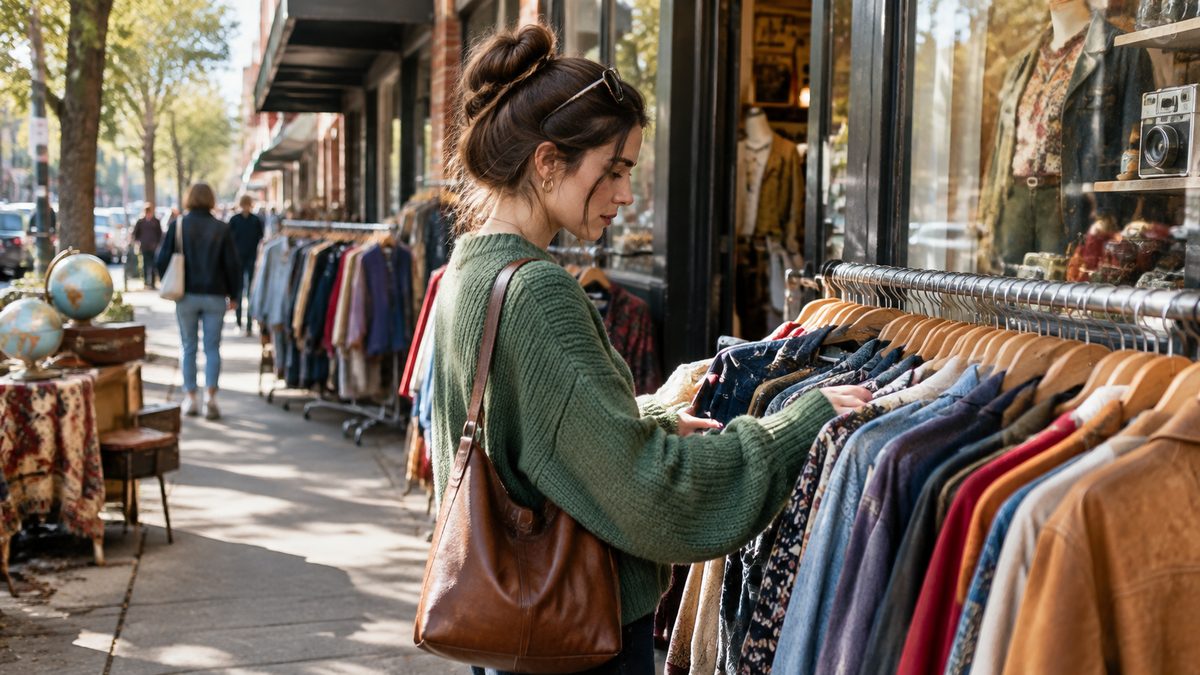
Image: AI-generated editorial illustration; it does not document a particular venue or visit.