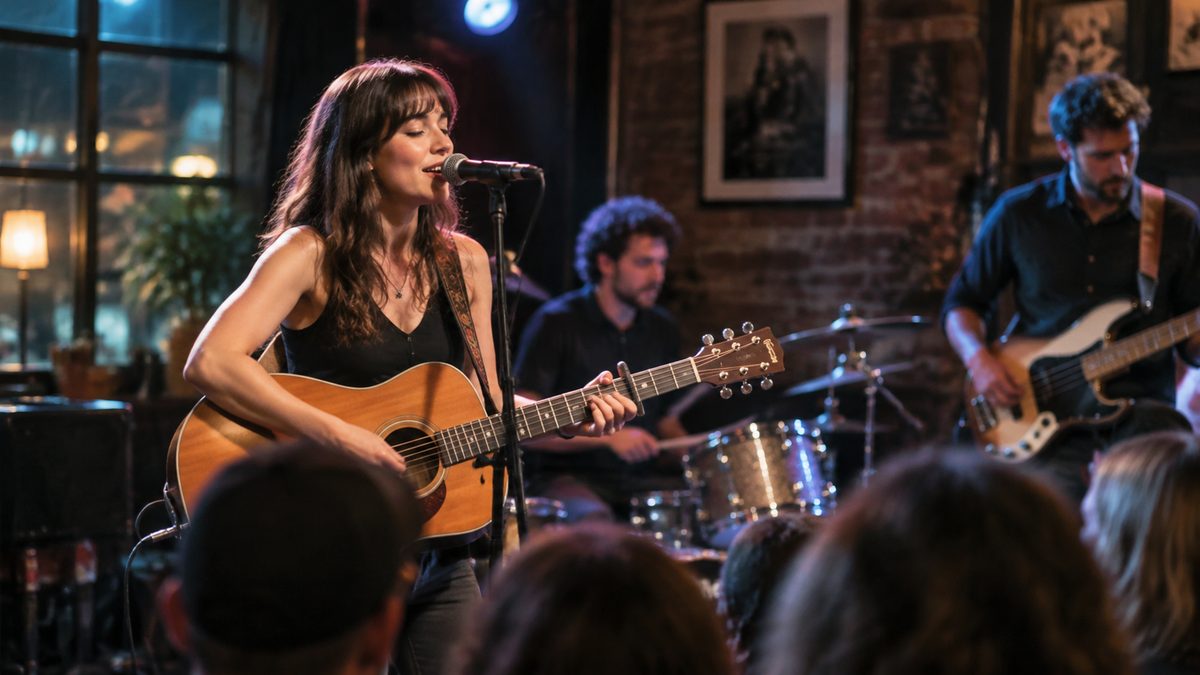
Live Music Venues in BrunswickLive music venues in Brunswick offer different room sizes and programs around Sydney Road and nearby streets. Brunswick East is a separate neighbouring suburb, so check addresses when expanding your search. You can hear touring acts in polished bandrooms, emerging artists above a pub, and strange new sounds in small creative spaces. The right venue depends on the music, room size, sound quality, and kind of night you want.
Brunswick, Victoria has one of Melbourne's most varied live music scenes. Rock music remains a major draw, but the area also supports Folk music, Punk rock, Experimental music, and Noise music. That range matters because a room suited to a quiet singer may feel flat for a loud band. A packed pub can make a rough local act feel electric, while a seated hall gives skilled players room to hold the crowd.
Where should you begin looking for a gig?
Start with Sydney Road. It gives you the highest chance of finding several shows within a short walk. Venues sit among pubs, restaurants, bars, and late-night food shops, so it is easy to build a full evening around one performance.
Brunswick East offers a different pattern. Its venues are more spread out, with activity near Lygon Street and side streets. These rooms often suit smaller bills, independent promoters, and artists who draw a focused crowd. Check the full address before leaving because a listing that says Brunswick may sit closer to Brunswick East or Coburg, Victoria than central Sydney Road.
Do not pick a venue from its name alone. Open the event listing and check the artist, support acts, start time, ticket terms, and room setup. A familiar pub can host a seated acoustic show one night and a crowded electric bill the next.
Which established rooms offer a full bandroom experience?
Brunswick Ballroom is a strong choice when you want a planned concert rather than background music. Its raised stage, dedicated viewing area, and programmed calendar suit artists who need the crowd's attention. The room can handle full bands, album launches, tribute shows, and quieter performances where lyrics matter.
Howler combines a performance space with areas for drinks and conversation. It often suits audiences who want a complete night in one place. Its bandroom format works well for touring artists, electronic performers, and bills that sit outside standard pub rock. Check whether your event uses the main performance room because the wider venue may also host other activity.
The Retreat Hotel represents the classic Brunswick pub model. People can meet over a meal or drink, then move toward the stage when the act begins. This format suits local bands and mixed bills because the night feels social without losing its focus on music. Sightlines can change once the room fills, so arrive early if seeing the players matters more than standing near the bar.
The Bergy Bandroom has been associated with loud, direct club shows and emerging bands. Rooms of this type are often the right fit for Punk rock, garage acts, and heavy guitar music. Always confirm the current program through the venue or promoter before travelling. Independent calendars can change, and an old event page may remain visible after a show moves or sells out.
How do smaller spaces change the experience?
Small venues remove the distance between the artist and crowd. You hear the room react to every pause, mistake, and sudden shift in volume. That closeness can make a new band more exciting than a technically perfect show in a large hall.
It also makes practical details more important. A tall person near the front can block much of the stage. Conversation beside the bar can drown out a soft performer. Loud drums may fill the room before the amplifiers rise above their lowest setting. If you want a clear view, stand slightly to one side rather than entering a packed centre line.
Small rooms also give Experimental music and Noise music a place to develop. These events may use tape loops, altered instruments, feedback, spoken sound, or long sections with no standard song form. Read the event description before buying. A label such as experimental can cover a gentle ambient set or a physically loud wall of sound.
Bring hearing protection when the bill includes heavy bands or electronic acts. Good earplugs lower the force without turning the music into a dull blur. They also make it easier to notice guitar detail and vocal phrasing during a long set.
How can you match the venue to the genre?
For Rock music, look for a dedicated stage, a standing floor, and a bill with two or more related acts. A pub bandroom often provides the energy this music needs. The support bands matter because they shape the pace of the whole night and may be the reason regulars arrive early.
Folk music benefits from a room where the audience can sit or stand quietly. Check whether the venue serves meals during the set. Plates, orders, and bar traffic can distract from an unamplified instrument or soft voice. A ticketed room with doors closed during songs will usually deliver a better listening experience.
Punk rock works well in compact spaces with a low stage and fast changeovers. Expect movement near the front. If you want the sound without the crowd pressure, stand near the mixing desk. That position often receives the most even mix because the sound engineer makes decisions from there.
For Experimental music, study the names of the promoter and supporting artists. A trusted curator often tells you more than a broad genre tag. Noise music may involve high volume and sharp frequencies, so ear protection should be treated as standard equipment rather than an emergency fix.
What tells you whether the sound will be good?
A venue's Sound reinforcement system includes its microphones, mixing desk, speakers, monitors, cables, and signal processing. The system must fit the room. More power does not mean better sound. In a narrow bandroom, careful speaker placement and a skilled engineer matter more than raw volume.
Room shape also changes what you hear. Hard walls reflect cymbals and high guitar notes. A low ceiling can make drums feel huge. Curtains, bodies, and soft surfaces absorb some of that energy. This is why an empty soundcheck may seem bright while the same mix feels controlled after the crowd enters.
Where you stand matters. Directly beside a speaker, the vocals may dominate while the natural drum sound reaches you from another angle. At the rear, the mix can lose detail under crowd talk. The area near the sound desk is usually the safest choice for clarity.
If the first song sounds rough, wait before judging the venue. Engineers often make quick changes once every instrument is playing and the room is full. If the sound stays painful rather than merely loud, move away from the speaker and use earplugs.
When is an open mic worth attending?
An Open mic is best when you want variety, low-cost entry, or a first look at local performers. One night may move from a new songwriter to comedy, poetry, or a small electric act. The uneven quality is part of the format. You are watching people test work rather than deliver a fixed touring set.
These nights can help performers learn stage timing and microphone control. They also give listeners a way to find artists before those artists appear on larger bills. If you plan to perform, check registration rules first. Some hosts take names online, while others use a sign-up sheet at the venue.
Arrive before registration opens. Bring the smallest setup that can deliver your piece, know the allowed set length, and tune before reaching the stage. A five-minute changeover feels long in a quiet room. Respecting the limit makes hosts more likely to invite you back.
How should you plan the timing of your night?
Read the difference between doors time and set time. Doors time marks entry, not the first note. A listing may show doors at 7:30 pm while the support act starts later. The venue or promoter's social page may post final set times on the day.
Arrive early for a seated show, a sold-out bill, or any event where you need a clear view. For general admission, early entry lets you learn the room before it becomes crowded. You can find the stage, exits, toilets, water, and sound desk without pushing through people.
Allow time for transport after the final set. Tram services along Sydney Road can become busy, while some late connections run less often. If the venue sits toward Brunswick East or near Coburg, Victoria, check the final leg rather than assuming it will be an easy walk from the main strip.
Do not assume the headline act will finish early because the event begins early. Multiple supports, equipment changes, and venue schedules can stretch the night. Plan around the listed finish time and keep a backup route home.
What should you check before buying a ticket?
- Room format: Find out whether the show is seated, standing, or a mix of both.
- Accessibility: Check entry steps, accessible toilets, viewing options, and whether staff need advance notice.
- Age rules: Pub access and licensed events may have limits for younger guests.
- Refund terms: Read the ticket seller's rules for cancellations, date changes, and resale.
- Support acts: Their set may begin soon after doors and can be a major part of the value.
- Volume: Carry earplugs when the style or room suggests a loud show.
Buy through the link supplied by the venue, artist, or named promoter. Screenshots and copied links can hide outdated dates. A legitimate ticket should show the event name, date, location, and seller terms before payment.
Why do some shows finish earlier than expected?
Live music operates within licence terms and Noise regulation. Venues must manage sound reaching nearby homes, especially late at night. That can affect finish times, outdoor performances, open doors, bass levels, and where people gather after a set.
Noise regulation does not mean every venue must sound quiet. It means staff must control how sound leaves the property. A well-run room can feel powerful inside while keeping doors closed and monitoring low frequencies outside.
Audience behaviour matters too. Loud conversations on a residential footpath can cause more conflict than the final song. Leave without shouting, move away from entrances, and use marked smoking areas. These small acts help venues maintain workable ties with neighbours.
How can you get more from the performance?
Watch the support act. Many Brunswick bills are built as a complete program, and the first performer may share members, influences, or a label with the headliner. Arriving for the whole bill also gives independent artists a real audience rather than an empty room.
Put your phone away after taking a quick photo. A bright screen distracts people behind you, and a full-song recording rarely captures the force of the room. If you need to talk, step toward the bar or foyer during quiet music.
Buy merchandise directly from the artist when you can. A shirt, record, or small item may return more value to a performer than your share of the ticket. Ask before touching display items, and wait until the set ends if the table has no attendant.
Respect the space at the front. Dancing and movement may suit a loud show, but pushing into someone who has chosen a quiet edge does not. Read the crowd and move closer only when the room supports it.
What mistakes can spoil a Brunswick gig?
Relying on an old listing is the easiest mistake. Confirm the date on the venue's own page on the day of the event. Changes can involve the room, support act, set time, or entry method.
Choosing by venue fame can also lead to the wrong night. A polished bandroom will not improve a genre you dislike. Start with the artist and event format, then judge whether the room supports that kind of performance.
Standing beside a speaker without protection can turn a strong show into ringing ears. Carry reusable earplugs in your jacket or bag. They take little space and remove the need to choose between discomfort and leaving early.
Another mistake is treating every venue like a late-night bar. Some events reward silence and close listening. Others invite movement and loud crowd response. The performer, room layout, and behaviour of regulars will tell you which kind of night you have entered.
What is the best way to choose tonight?
Pick the music first, then compare the room, ticket terms, travel time, and set schedule. Choose Sydney Road when you want several nearby options and an easy meal before the show. Look toward Brunswick East for smaller programs and independent events. Consider rooms nearer Coburg, Victoria when the artist matters more than staying near the centre of Brunswick.
A good venue matches the act. A clear Sound reinforcement system helps, but room size, crowd behaviour, and the promoter's choices shape the result as much as the equipment.
Check tonight's listing on the venue's official channel, buy through its approved link, and arrive before the first support act.
Current venue sources: https://www.howlerbrunswick.com/contact-us (7–11 Dawson Street), https://brunswickballroom.com.au/whats-on/ (314–316 Sydney Road) and https://thebergy.com.au/index.php/contact/ (64–68 Sydney Road). Check the event-specific room, seating and finish time. Ballroom access needs particular attention: its FAQ says wheelchair users must transfer to a stairlift, so discuss your requirements before buying: https://brunswickballroom.com.au/faq/. Reviewed 11 October 2026.
Explore more local guides at https://brunswicklocal.pages.dev/.
Image: AI-generated editorial illustration; it does not document a particular venue or visit.