Brunswick Street Art Walking Guide
This is a suggested self-guided walk using public streets around Sydney Road, with an optional extension into neighbouring Brunswick East at Lygon Street. Map your chosen turns before leaving: this guide does not provide a measured distance or promise particular artworks remain visible.
Brunswick, Victoria rewards slow walkers. Large pieces appear on shop walls, while smaller tags and paste-ups hide beside loading bays. A plain lane can hold more detail than the main road. Look up, check both sides of each passage, and leave room for fresh discoveries.
Where should you start the walk?
Start near Brunswick Station on the Upfield train line. This puts you close to Sydney Road and gives you a clear north-to-south route. It also makes the walk easy to shorten because trams and trains run near much of the path.
From the station, walk east toward Sydney Road. Check the backs and sides of buildings as you go. Railway edges attract large work because they offer long surfaces and clear sight lines. Some pieces are planned commissions. Others are quick layers of Graffiti that change as new writers paint over old marks.
Do not rush to the shopping strip. Spend ten minutes checking the streets around the station first. Roller doors, service alleys, car parks, and blank warehouse sides are common places for new work. Morning gives you softer light and fewer parked cars in front of each Wall.
If you arrive by tram, begin near the intersection of Sydney Road and Albert Street. You can still follow the same route. Walk north for a short loop around the station area, then turn south and continue through the centre of Brunswick.
How do you follow Sydney Road without missing the best work?
Use Sydney Road as your spine, but step away from it every few blocks. The main road helps you keep direction. The side streets provide most of the close viewing.
Walk south on one side of Sydney Road and scan for painted shop ends, shutters, and gaps between buildings. When a side street has older brick shops or a visible service lane, follow it for one block. Return by the next parallel street instead of retracing every step. This creates short loops without turning the walk into a maze.
Choose public cross streets that fit your mapped route and return towards Sydney Road when needed. Individual murals and paste-ups can change or disappear; do not treat a particular lane as a guaranteed viewing stop.
Pay close attention to shutters. Many are hidden during business hours and visible after shops close. This creates a real trade-off. An early walk offers clear footpaths and good light. An evening walk reveals more painted doors. For a first visit, start around 9 am and accept that some shutters will remain open. You will have better conditions for looking into side streets and taking photos.
What should you look for in each piece?
Begin with the surface. Brick, metal, concrete, and old render all change how paint sits. Rough brick breaks a line into small edges. A metal shutter adds deep ribs. Cracked render can become part of a face, letter, or shadow.
Next, look at scale. A large Mural often has a clear image that can be read from across the road. Smaller work asks you to stand close. Stickers, stencils, hand-painted signs, paste-ups, and tags may share one narrow space. Their overlap shows how the site has changed.
Then study the relationship between the work and the building. Some artists frame windows or pipes. Others use the full Wall as a flat canvas. A strong piece often responds to the shape of the site rather than covering it without thought.
Separate style from permission. Graffiti does not tell you by itself whether the maker had approval. A polished image may be legal or unapproved. A rough tag may sit on a permitted practice surface. Unless a sign or trusted source explains the work, describe what you can see instead of guessing about its legal status.
Why does the art change so much?
Street art lives on working property. Shops repaint. Buildings change tenants. New construction covers old surfaces. Artists also paint over earlier work, sometimes with consent and sometimes without it. A guide that promises fixed works will date fast.
This is why the route matters more than a checklist. Sydney Road and its nearby lanes keep producing new surfaces because they mix retail fronts, workshops, homes, and service access. Foot traffic gives artists an audience, while side streets provide room to work.
Weather also leaves a mark. Strong sun fades colour. Rain lifts paper from paste-ups. Dust gathers on textured paint. These effects can make a piece look damaged, yet they also reveal its age. Fresh colour beside a faded layer lets you read the Wall as a record of repeated use.
Take one wide photo and one detail photo when a work interests you. The wide image records its place. The detail keeps the brush marks, drips, or texture that may disappear later. Do not touch loose paper or peeling paint to improve the shot.
How does Brunswick differ from central Melbourne?
The Lanes and arcades of Melbourne often feel dense and enclosed. Visitors can move from one painted surface to the next within a small central grid. Brunswick spreads its work across a longer neighbourhood route. The space between pieces matters because it shows how art sits beside daily trade and housing.
Central lanes can feel like set destinations. Brunswick is less formal. You may pass a bakery, repair shop, music venue, terrace house, and loading area before finding the next large work. That mix gives the walk its character.
The local Culture also appears through subject matter and placement. Some works respond to music, food, social causes, or the people using the street. Others focus on letter forms or imagined figures. Avoid forcing one meaning onto every piece. Read any artist note or business plaque first, then form your view from what is present.
People often search only for famous walls. That misses the best part of this walk. Small pieces can show more skill and wit than a large commission. Give narrow doorways and low utility boxes the same attention as full building sides.
Where does urban renewal fit into the walk?
Urban renewal changes both the supply of walls and the purpose of the art. A former industrial building may become apartments or shops. A blank facade may gain a commissioned image during that change. In other places, demolition can remove years of layered work in a single week.
Do not assume painted walls prove that a project helped local artists. Developers sometimes use street art to make a new site feel established. The image may be strong, but its role can still be commercial. Look for artist credits, project signs, and links to nearby groups if you want to understand who shaped the work.
Compare older brick sites with new rendered buildings. Older places tend to carry stains, faded signs, repairs, and layers of paint. New sites often present one clean image with controlled lighting and open space around it. Both can hold good work, but they tell different stories about Brunswick.
A useful photo pair is one older layered surface and one recent commission. Review them after the walk. Ask who can use each space, who paid for the work, and whether the piece feels tied to the site. This turns casual viewing into a sharper reading of urban renewal.
How do you connect the route to Lygon Street?
After exploring the central part of Sydney Road, turn east through a cross street such as Victoria Street or Blyth Street. Continue until you reach Lygon Street. This connecting leg gives your eyes a break and shows the residential fabric between the two commercial roads.
Scan corners and the rear walls of shops as you approach Lygon Street. The art here is more scattered, so move slowly. Look behind active frontages where public access is clear. Do not enter fenced lots, private driveways, or apartment access lanes.
Once on Lygon Street, you are in the Brunswick East part of this optional extension. Choose a finish and a suitable tram connection using a current journey planner. Measure your selected route rather than relying on a five-kilometre estimate.
Lygon Street should feel like the final chapter, not a second full search area. Spend 20 to 30 minutes checking visible side walls and shutters. Then stop. Trying to inspect every street makes the route tiring and weakens your attention.
How can you photograph the art without causing trouble?
Stand clear of doors, ramps, and loading zones. A painted roller door still belongs to a working business. If staff need access, move at once. Never ask a person to wait while you finish a shot.
Use the footpath where possible. Cross only at safe points if you need a full view. A wide phone lens can capture large work from a narrow path, but it may bend straight lines near the frame edge. Step back when safe and keep the camera level for a more accurate record.
Avoid placing people in close photos without consent. This matters near cafes, homes, and shop entries. Waiting a few seconds often gives you a clear frame. If a person forms a key part of the image, ask before taking it.
Do not move bins, climb fixtures, or lean on parked vehicles. Never add your own mark. Street art may look open to public use, but the surface still has an owner and the existing work belongs to its maker.
What should you bring for a comfortable walk?
Wear shoes that handle uneven paving and broken lane edges. Carry water, sun protection, and a charged phone. Pack a light rain layer if the forecast is mixed. The route stays close to shops, but side-street shade can be limited.
Save the station and tram stops on your map before leaving. Mobile reception is usually reliable, yet a saved map makes detours easier. Mark any work you want to revisit instead of relying on memory.
Keep the walk flexible. Roadworks, delivery vehicles, or private events may block a planned turn. Return to Sydney Road or Lygon Street and use the next public cross street. There is no need to squeeze past a barrier to preserve the route.
Children can enjoy the walk if an adult manages road crossings and keeps the distance shorter. Focus on large images and ask them to find repeated colours, animals, or letter shapes. Avoid narrow service lanes when trucks are active.
How do you make a second visit worthwhile?
Repeat the route in a different season or at another time of day. Closed shutters can reveal complete pieces that were hidden on the first visit. New paste-ups may appear, while a familiar work may gain another painted layer.
Use your earlier photos as a record, not as a demand that the street remain unchanged. Compare framing, colour, and surface wear. If a piece has vanished, photograph the replacement from the same position. That change is useful evidence of how the area works.
You can also reverse the direction. Begin on Lygon Street and finish near Brunswick Station. The same walls will appear different because your approach and light have changed. Reversing the route also brings overlooked corners into view.
Follow one rule on your first visit: start at Brunswick Station, use Sydney Road as your guide, loop through public side streets, and finish on Lygon Street without chasing a fixed checklist.
For documented works and artist credits, use the council’s public art inventory: https://www.merri-bek.vic.gov.au/exploring-merri-bek/arts-merri-bek/public-art-and-collections/public-art/. It lists mural locations including 101 and 105 Sydney Road near Wilson Avenue, 551 Sydney Road near Hope Street, Fallon Street and Manallack Street. Check public access and current visibility on arrival. Brunswick Street in Fitzroy is a different destination. Reviewed 11 October 2026.
Explore more local guides at https://brunswicklocal.pages.dev/.
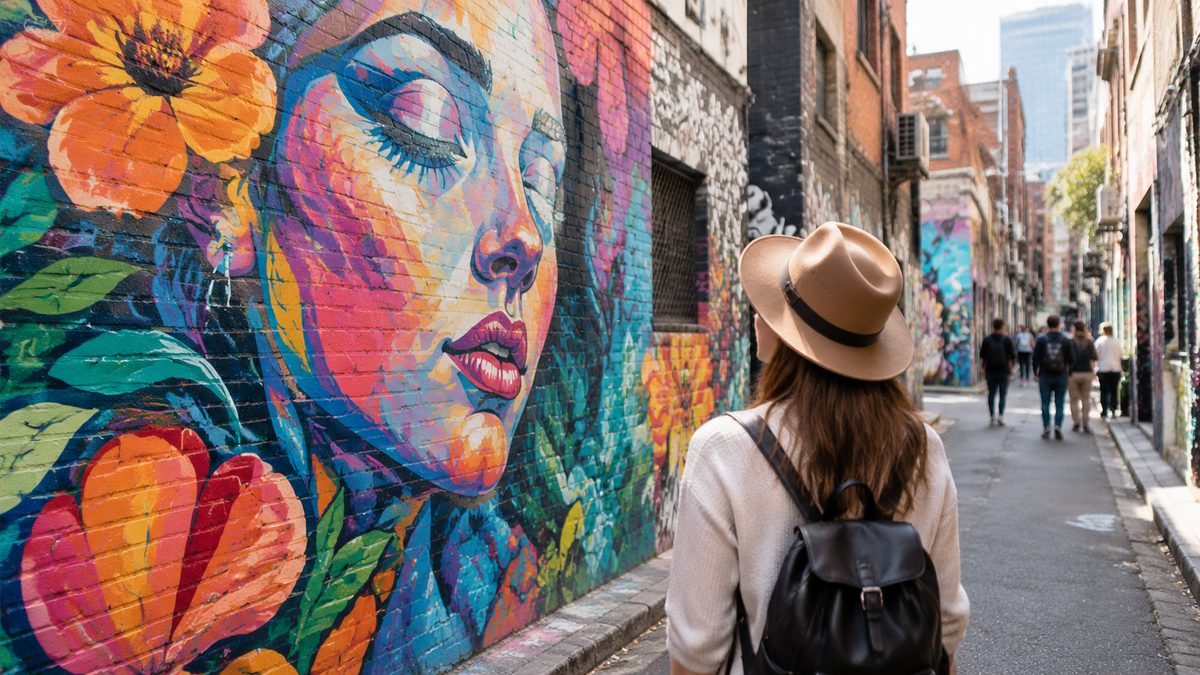
Image: AI-generated editorial illustration; it does not document a particular venue or visit.