Brunswick Bakeries and Bread Shops
The best Brunswick bakeries and bread shops are the ones that match the loaf, meal, and time you have in mind. A crisp Sourdough bought for dinner needs different qualities from soft sandwich bread or a Cake for a birthday. Brunswick, Victoria gives you plenty of choice, from old-style family shops to modern Artisan Baking rooms. The useful skill is knowing what to buy, when to visit, and how to spot bread worth carrying home.
Most people judge a Bakery by its front window. That works for pastries, but bread tells a deeper story. A glossy display can hide a dry crumb. A plain loaf can have rich flavour, firm structure, and a crust that stays crisp until dinner. Start with the food you plan to eat, then choose the shop and loaf that fit it.
Which part of Brunswick suits your bread run?
Start with a confirmed bakery address in Brunswick. Sydney Road offers Lebanese baked goods, while Ovens Street has a sourdough bakery. If you include Lygon Street, treat it as a separate Brunswick East destination and check the route.
Sydney Road works well when you want to compare several bakeries in one outing. Tram stops, side streets, grocers, and lunch spots sit close together. It is a practical route for bread needed that day. You can check a sourdough loaf, buy flatbread for lunch, then pick up something sweet without moving the car between every stop.
Ovens Street Bakery lists its address as 19 Ovens Street, Brunswick, and its online range includes pain au levain. A1 Bakery lists its Brunswick store at 643–645 Sydney Road with Lebanese breads, pies and pizzas. Check availability and trading directly before heading out.
The quieter streets between these main roads also matter. A neighbourhood Bakery may sell fewer styles but turn them over faster. High turnover often means fresher bread. It can also mean the popular loaves disappear before lunch.
Melbourne weather should shape the route. Heat softens crisp pastry and warms iced Cake in a bag. Rain can ruin a paper-wrapped crust. Buy fragile items last, bring a reusable bag with a flat base, and avoid leaving bread in a hot car.
How can you tell whether a loaf is well made?
Use your eyes, hands, nose, and one clear question about the bake. Price, branding, and a rustic shape cannot prove quality.
A good crust should suit the bread. Sourdough may have a firm shell with deep colour, while a soft roll should bend without cracking into dry flakes. Pale bread can be underbaked. A black patch on one side may show uneven heat rather than skilled Baking.
Lift the loaf if the staff allow it. Bread that feels strangely light may have dried out. Bread that feels heavy and wet can be underbaked, though dense Rye bread is meant to carry more weight. The loaf should smell like grain and fermentation. A strong burnt smell can cover the flavour underneath.
Check the base. It should feel dry and sound firm when tapped. A soft, damp base may come from being bagged before it cooled. Deep scoring on top should have opened during the bake. If the cuts look sealed and flat, the dough may not have risen well in the oven.
Then ask, “Which loaf was baked most recently?” This gets a clearer answer than asking which bread is best. Staff can point you toward the freshest batch or explain which loaf keeps well. That small exchange is more useful than guessing from a full shelf.
Does Artisan bread always offer better value?
Artisan bread earns its price when the flavour, keeping quality, and method improve the meal. The label itself proves nothing.
Long fermentation can create deeper flavour and help a loaf stay pleasant for several days. Good flour, careful shaping, and steady oven work also cost more than fast factory production. Yet an expensive loaf becomes poor value if half of it goes stale before you eat it.
Compare cost per meal rather than cost per loaf. A dense loaf that gives eight useful servings may beat a cheaper one that turns dry after breakfast. If you live alone, ask for a half loaf or have the shop slice it for freezing. Some bread loses moisture faster once sliced, so only choose machine slicing when convenience matters more than shelf life.
Buying more bread than a planned meal needs can create waste. Decide whether the loaf is for lunch, dinner or the freezer before paying, and choose a size that fits the number of people eating.
When should you visit for the widest choice?
Visit early for range, but ask about batch times before assuming dawn is best. Some shops bake through the day. Others finish most bread before opening and sell until it is gone.
Saturday mornings draw the largest crowds. The reward is a fuller shelf, yet popular loaves can still sell out fast. A weekday morning often gives you more time to ask questions. Late afternoon can bring shorter lines, though the choice may narrow to everyday loaves.
Fresh does not always mean hot. Bread needs time to set after it leaves the oven. Steam keeps moving through the crumb as it cools. Cut it during this stage and the inside may compress under the knife. If you need bread for lunch, buying a cooled morning loaf can be better than chasing one straight from the oven.
For a special order, contact the shop before the busy day. This matters for large loaves, seeded bread, dietary needs, and celebration Cake. State the pickup time and serving date. Ask how the item should be stored. A cake made with fresh cream needs different care from a dense loaf or an unfilled pastry.
How should you choose pastries and cake?
Judge pastries by freshness and structure, then choose Cake by serving need. Size and decoration come after flavour, storage, and easy transport.
A laminated pastry should show clear layers at the torn edge. The outside should flake, while the centre stays soft rather than raw. A greasy base can mean the butter leaked during Baking. Filled pastries need enough filling to taste in each bite, but too much can make the centre wet.
For Cake, tell the Bakery how many people you need to serve and whether the cake will sit out before eating. Rich chocolate cake can handle travel better than tall cream layers. A low cake is easier to carry on a tram. Clean slices matter at a work event, while a soft spoon dessert may suit dinner at home.
Do not judge freshness by decoration. Icing can look perfect after the sponge has started to dry. Ask when the cake was made and whether it is sold whole or by the slice. If you are testing a shop before a large order, buy one slice first. Check the crumb, filling, sweetness, and finish.
What do people get wrong about sourdough?
Sourdough describes fermentation, not a single taste, shape, or level of quality. A loaf can be mild or sharp. It can use white flour, whole grain, or a mix.
Large air pockets are often treated as proof of skill. They can suit soup and olive oil, but they waste space in a sandwich. A more even crumb may take equal care and work better at home. Choose the structure you need.
A dark crust is another weak shortcut. Deep colour can add rich roasted flavour, but a crust should not taste like ash. Pressing the loaf can also mislead you because a crisp crust may soften in humid air while the bread inside remains good.
The useful question is how the loaf was made and when it was baked. A shop that can explain its starter, flour, and batch time gives you facts you can use. You do not need a speech about fermentation. You need enough detail to match the bread with your meal.
How do you keep bakery bread fresh at home?
Keep today’s bread at room temperature and freeze anything you will not eat soon. The fridge speeds up staling for most bread.
Store a crusty loaf cut-side down on a clean board for the first day. A paper bag protects it while allowing some air flow. Plastic keeps the crumb soft but quickly softens the crust. For a soft sandwich loaf, that trade is often useful.
Freeze bread as soon as you know it will not be eaten. Slice it first, place the slices in a sealed freezer bag, and remove as much air as you can. Toast slices from frozen or let them thaw inside the closed bag. This traps moisture near the bread instead of letting the surface dry.
Revive a whole crusty loaf by lightly wetting the outside and warming it in the oven. This works once. Repeated heating dries the crumb. Stale bread still has uses in crumbs, toast, or a baked dish, but mould means the whole loaf should go. Cutting away the visible patch does not make soft bread safe.
How can you plan a useful Brunswick bakery trip?
Build the trip around one main purchase and leave room for one extra item. This keeps the outing focused and cuts food waste.
- Name the meal. Decide whether the bread is for toast, sandwiches, soup, or a shared dinner.
- Choose the street. Use Sydney Road for a quick comparison or Lygon Street when bread is part of a wider food shop.
- Set a pickup window. Go early for choice or confirm a later batch with the shop.
- Ask one useful question. Find out which loaf is freshest or which one will keep until the day you need it.
- Protect the purchase. Keep crisp bread dry, support cakes from below, and avoid a hot car.
For a hypothetical brunch plan, reserve bread if the bakery offers that service, collect fragile pastries close to serving time and keep a suitable backup. This is a planning example rather than a client story or a report of an actual event.
That lesson applies across Brunswick bakeries and bread shops. The most famous counter is not always the best answer for your meal. Good buying starts with purpose, then uses freshness, structure, and storage to protect what you paid for.
Before your next Brunswick bread run, write down the meal, serving time, and number of people, then buy the loaf that fits those facts.
Bakery details checked on 11 October 2026: Ovens Street Bakery (https://ovensstreetbakery.com.au/collections/frontpage) and A1 Bakery (https://www.a1bakery.com.au/). Stock, hours and pre-order arrangements can change. Follow the baker’s storage instructions and any use-by date; date-label guidance is available from Food Standards Australia New Zealand: https://www.foodstandards.gov.au/consumer/labelling/dates.
Explore more local guides at https://brunswicklocal.pages.dev/.
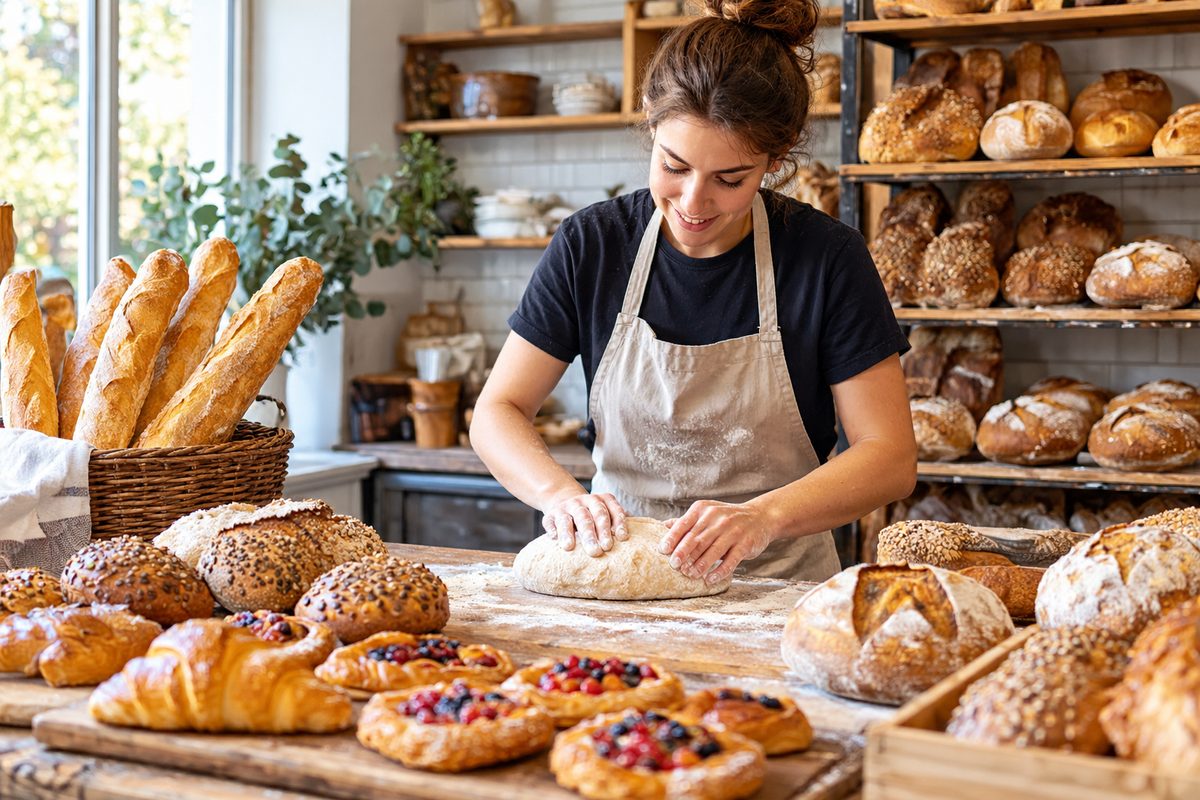
Image: AI-generated editorial illustration; it does not document a particular venue or visit.