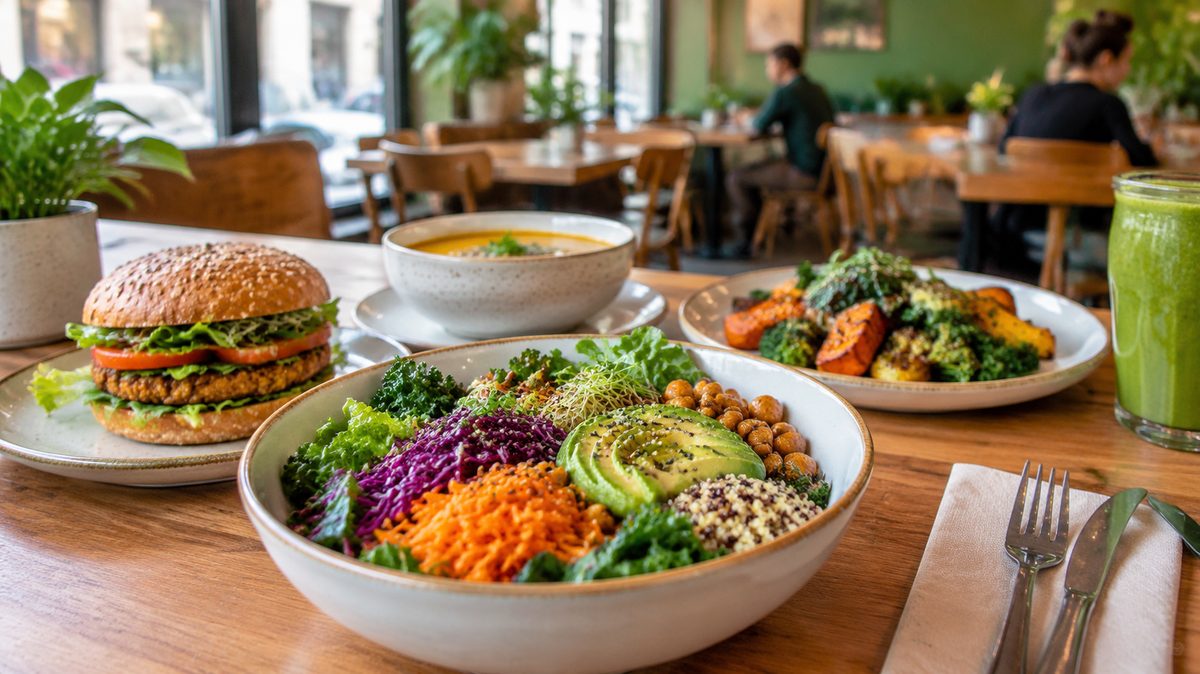
Vegetarian Restaurants in Brunswick
Brunswick has a strong mix of vegetarian restaurants, plant-led cafes and multicultural kitchens with full meat-free meals. The best choice depends on whether you want a quick falafel, a cooked breakfast, shared plates or a full dinner. Sydney Road offers the widest range within a short walk. Lygon Street and Brunswick East add more cafe dining, modern menus and relaxed evening options.
This guide focuses on how to find a satisfying vegetarian meal rather than settling for side dishes. It covers the parts of Brunswick worth searching, the menu signs that matter and the questions to ask before ordering. Restaurant hours and dishes change, so check the current menu before making a special trip.
Where should you start looking for vegetarian food?
Start on Sydney Road if choice matters most. Its long retail strip contains cafes, bakeries, casual counters and sit-down restaurants. Many kitchens draw from the food of the Middle East, the Mediterranean and South Asia. These cooking traditions make strong use of beans, lentils, grains, herbs and roasted vegetables.
Sydney Road also suits groups with different diets. One person can order a meat dish while another gets a complete vegetarian plate. Look past the green leaf symbol and read what comes with the main item. A plate with falafel, hummus, tabbouleh, pickles and bread will usually feel more complete than a single vegetable skewer.
Lygon Street runs through neighbouring Brunswick East and offers a separate cafe and restaurant corridor. Check the exact address and journey if you combine it with a Sydney Road meal in Brunswick.
Side streets deserve attention. Some of Brunswick's most useful local cafes sit away from the main tram routes. These places often serve seasonal bowls, toast dishes and baked goods. They may have fewer vegetarian mains, but the kitchen can sometimes change a dish with less trouble than a busy takeaway counter.
What makes a restaurant genuinely useful for vegetarians?
A useful restaurant gives vegetarians real choice across the menu. One token pasta dish is not enough. Look for several mains built around different proteins, such as lentils, chickpeas, tofu or beans. Variety matters because two dishes can both be meat-free while offering very different value and staying power.
Vegetarianism has several forms. Some diners eat dairy and eggs. Others avoid one or both. A restaurant should mark these differences clearly or answer questions without guessing. The word vegetarian does not mean vegan, and the word plant-based may describe a dish that still has an optional dairy topping.
Menu structure gives an early clue. A kitchen that treats vegetables as the centre of the meal will describe their cooking method, sauce and texture. A weak option often reads like a meat dish with the meat removed. The result may cost almost the same while leaving the diner hungry.
Imagine two lunch orders. The first is a salad with leaves, tomato and dressing. The second combines roasted pumpkin, lentils, tahini, seeds and flatbread. Both fit vegetarian cuisine, yet the second has more protein, energy and texture. That difference shapes whether lunch lasts through the afternoon.
Portion design matters for shared dining as well. Ask whether plates are meant for one person or the table. Small dishes can seem cheap until four are needed to make a meal. A clear answer about serving size helps you compare value before ordering.
Which styles of food offer the strongest meat-free meals?
Middle Eastern food is one of the safest starting points. Falafel, hummus, baba ghanoush, lentil soup and stuffed vegetables can form a full meal without changes. Check whether rice, sauces or fried items contain meat stock. Shared fryers may also matter to diners who avoid contact with meat.
Indian and South Asian menus often provide broad vegetarian choice. Dal, chickpea curry and vegetable dishes pair well with rice or bread. Ask whether ghee is used if you follow a vegan plant-based diet. Also check whether a mild-looking dish contains cream, yoghurt or paneer.
Italian-style dining can work well around Lygon Street. Pizza, pasta and vegetable starters make group ordering easy. Ask whether fresh pasta contains egg and whether hard cheese uses animal rennet. A tomato-based pizza with vegetables may be the clearest vegan option, though the dough and finishing oil still need checking.
Cafe food has a strong place in Australian cuisine, and Brunswick cafes often adapt that format for meat-free diners. Common choices include mushroom toast, corn fritters, grain bowls and filled rolls. Eggs as food remain central to many vegetarian cafe menus because they add protein and suit familiar breakfast dishes. Vegan diners should check whether a kitchen can replace eggs with tofu, beans or another filling ingredient.
East and Southeast Asian kitchens may offer tofu, noodle dishes and vegetable curries. Names can mislead here. A vegetable soup may use chicken stock. A noodle sauce may contain fish sauce, shrimp paste or oyster sauce. Ask about the base sauce rather than asking only whether the visible ingredients contain meat.
Modern plant-led restaurants make ordering easier because vegetables already drive the menu. They can also cost more due to detailed preparation and smaller evening plates. Read the full menu before booking so the format matches your appetite and budget.
How can you tell if a plant-based meal will be filling?
Build the meal around a clear protein source. Beans, lentils, chickpeas, tofu, tempeh, eggs and dairy can all serve that role. Then look for a grain, bread, noodles or a starchy vegetable. Sauces, nuts and seeds add richness, but they should support the meal rather than hide a thin serving.
A good bowl might pair brown rice with tofu, greens, pickled vegetables and sesame dressing. A strong Middle Eastern plate might use falafel and hummus with salad and bread. These meals work because each part has a job.
The common mistake is ordering several vegetable sides that all have a similar taste. Roasted cauliflower, fried potatoes and grilled zucchini may sound varied, yet the table can still lack protein. One bean dish or tofu plate can fix that gap.
Texture also affects satisfaction. Crisp, soft and chewy parts keep a simple meal interesting. This does not require a complex recipe. Falafel with smooth hummus and fresh salad is a clear example. When reading menus, look for contrast instead of counting the number of ingredients.
What should people with a gluten-free diet check?
A vegetarian label says nothing about gluten. Diners following a gluten-free diet need to check bread, pasta, noodles, pastry and crumbed foods. Soy sauce and some meat substitutes can contain wheat. Falafel recipes may also use flour as a binder.
Ask whether the meal can be prepared without gluten and whether the venue manages cross-contact. This matters most for coeliac disease. A gluten-free bun does not solve the problem if it touches the same grill or preparation surface as regular bread.
Menu symbols help, but a direct talk with staff gives better information. Use a precise question: “Does this dish contain wheat, barley or rye, and is it prepared separately?” That wording is clearer than asking whether the meal is “safe,” which may mean different things to different people.
Naturally gluten-free meals are often easier to assess. Rice bowls, lentil curries and salads may need fewer changes. Still check stocks, dressings and sauces. Hidden ingredients usually enter through these parts of the dish.
How should a mixed group choose a restaurant?
Choose from the vegetarian options first. If the restaurant has several complete meat-free mains, the rest of the group will usually find something suitable. Reversing that process can leave the vegetarian diner choosing between chips and a plain salad.
Check four details before booking:
- How many vegetarian mains are available?
- Can vegan or gluten-free needs be handled without removing most of the dish?
- Does the venue take bookings, or should the group arrive early?
- Are shared plates priced and sized clearly?
For a casual group meal, Sydney Road gives you backup options within walking distance. If the first venue is full, another style of food may be nearby. On Lygon Street, booking can be wiser for a planned dinner, especially when the group wants table service.
Families should check seating, noise and high-chair access before focusing on novelty. A simple menu with quick service may produce a better meal than a more ambitious restaurant with long waits. People eating before a show or event should also ask how quickly the kitchen can serve mains.
What menu traps catch vegetarian diners?
Cheese is the first trap. Some cheeses use animal rennet, so strict vegetarians may want confirmation. Parmesan-style cheese is a common issue in pasta, pesto and risotto.
Stock is another hidden ingredient. Pumpkin soup, mushroom risotto and gravy may use chicken stock even when no meat appears on the plate. Ask what stock forms the base.
Sauces cause similar problems. Fish sauce can appear in curries and noodle dishes. Worcestershire sauce may contain anchovies. Gelatine can turn up in desserts. A clear kitchen should be able to explain its ingredients.
The word vegan can also be used loosely in conversation. Confirm that the dish contains no dairy, egg, honey or animal-derived garnish if those details matter to you. Some diners following a plant-based diet accept certain ingredients that ethical vegans avoid, so precise wording prevents confusion.
Shared fryers matter to some vegetarians and people with allergies. Falafel, chips or crumbed vegetables may cook in oil used for meat. Ask before ordering if cross-contact affects your choice.
How can you compare price with real value?
Compare the whole meal, not the listed price of one plate. A $16 bowl that includes protein and grains may offer better value than a $12 snack that needs two side dishes. Drinks, bread and extra sauces can also lift the final bill.
Lunch specials often provide the strongest value in Brunswick, Victoria. Set meals and filled wraps can deliver more food for less than evening share plates. Dinner prices rise when a venue offers table service, a longer drinks list or more detailed cooking.
Takeaway can save money, but some foods travel better than others. Curries, rice dishes and baked meals hold well. Crisp fried food can soften, while dressed salads may wilt. If eating later, ask for sauce on the side.
Waste affects value too. Large shared orders look generous, yet duplicate dips and breads can remain untouched. Order the main protein dishes first, then add sides if the table still needs them.
When is the best time to eat around Brunswick?
Weekday lunch is best for a quiet visit and close menu reading. Staff often have more time to answer ingredient questions outside the main rush. Weekend brunch brings more choice at cafes but can mean queues and slower service.
Early dinner works well for walk-ins. It also helps families and groups who want a calmer room. Later bookings suit restaurants and bars built around shared plates, though some kitchens close earlier than their drinks service.
Check the venue's own booking page or social profile on the day you visit. Small Brunswick businesses may change hours, sell out of a popular dish or close for a private event. A quick check avoids a wasted trip.
How do you plan one good vegetarian meal?
- Pick Sydney Road for maximum variety or Lygon Street for a planned cafe or evening meal.
- Open the current menu and find at least two complete vegetarian mains.
- Check protein, serving size and any dietary limits before leaving home.
- Book or call if the meal involves a group, coeliac needs or strict vegan requirements.
Your next step: choose one Brunswick venue with a current menu that shows a clear protein-based vegetarian main, then confirm its hours before you leave.
Current Sydney Road starting points: Tiba’s Brunswick menu lists a vegetarian platter and falafel options (https://tibas.com.au/brunswick/); A1 Bakery lists Lebanese baked goods and falafel (https://www.a1bakery.com.au/). Check the exact dish and ingredients with each kitchen. Venue details reviewed on 11 October 2026. Coeliac Australia’s eating-out guidance: https://coeliac.org.au/live/eating-out/.
Explore more local guides at https://brunswicklocal.pages.dev/.
Image: AI-generated editorial illustration; it does not document a particular venue or visit.