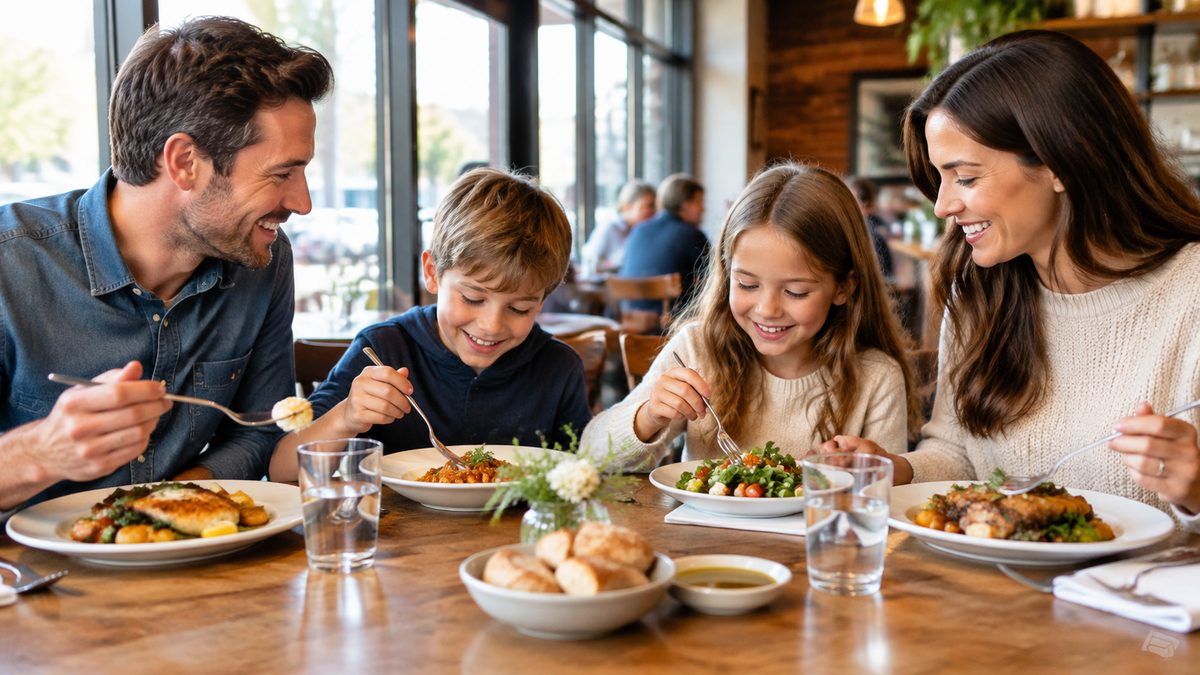
Family Dining in Brunswick
The best family dining in Brunswick combines flexible food, early service and a setting where children can relax. Sydney Road offers the widest range of casual choices, while neighbouring Brunswick East’s Lygon Street offers another dining corridor to consider. The right pick comes down to more than finding a children’s menu. Check the table space, noise level, food options and travel plan before everyone gets hungry.
Brunswick works well for mixed-age groups because its food comes from many cultures. A grandparent may want a familiar plate. A young child may prefer plain rice or bread. Older children may want to try something new. Many local venues can serve all of them without forcing the whole table into one style of food.
Which part of Brunswick suits your family?
Sydney Road is the easiest place to start when choice matters. It has casual cafés, bakeries, takeaway shops and restaurants within a short walk of each other. This helps when one child wants a snack now but the adults want a full lunch later. It also gives families a backup if their first Restaurant is full.
The trade-off is movement. Trams, bikes and cars make parts of Sydney Road busy. A venue may look close on a map but require a careful road crossing. Families with a pram should check whether the entrance has a step and whether there is room to park the pram without blocking staff or other diners.
Lygon Street runs through Brunswick East. If you choose a venue there, check the exact suburb, address and journey before leaving; it may be a longer walk from Brunswick than a tired child can manage.
Quieter side streets can offer more room and less traffic noise. They are useful for children who find crowded rooms hard. The choice may be smaller, yet the calmer setting can prevent a rushed meal. Search around the route you already plan to take instead of treating the busiest strip as the only option.
What should parents check before booking?
Start with the menu, but read it as a family plan rather than a list of dishes. Look for food your child already eats, food that can be shared and at least one simple backup. A side of rice, bread or cooked vegetables can rescue dinner when a new dish does not land well.
Then call the venue. Online details often miss the facts that matter to parents. Ask whether the kitchen can serve children quickly, whether high chairs are available and whether a pram fits near the table. If you need a change table, ask where it is. “Family-friendly” can mean staff welcome children, even when the room has narrow aisles and no baby facilities.
A useful call sounds like this: “We have two adults, a four-year-old and a baby in a pram. Can you seat us with the pram folded or beside the table?” That gives staff enough detail to offer a suitable time and place. It also prevents an awkward shuffle through a full dining room.
For a larger family, ask how the bill works. Some places require one payment for big tables. Others add a weekend fee or fixed menu. Knowing this before the Meal keeps the end of lunch simple.
How can one menu work for different ages?
Shared food gives families more control than separate large mains. Adults can try several dishes while children take small amounts without facing a full plate of unfamiliar food. Order one known item first, then add new tastes around it.
Middle Eastern cuisine is well suited to this pattern. Bread, dips, rice, grilled meat and vegetable dishes can be placed in the centre. A child can eat familiar parts while an adult combines them into a richer plate. Ask for sauces or strong seasonings on the side if your child reacts to heat or sharp flavours.
Food linked with countries around the Mediterranean Sea also tends to include dishes that divide well across a table. Pasta, grilled vegetables, flatbreads and simple proteins let each person build a meal at their own pace. Do not assume every venue uses the same recipes. Read the actual menu and ask how each dish is served.
Australian cuisine can work well when the family wants familiar café food or a relaxed brunch. Eggs, toast, burgers and seasonal plates may sound easy, but café menus can become complex. A plain request is often best: ask whether the kitchen can serve toast without toppings or place dressing on the side.
The smart move is to order in stages. Begin with a fast item that everyone can touch. Add the main order once the children are settled. This lowers the risk of ordering too much and gives the kitchen time to explain any changes it can make.
How should families handle an Allergy?
Treat an Allergy as a kitchen safety issue, not a food preference. State the allergen clearly when booking and repeat it to the server before ordering. Ask whether the kitchen can prevent cross-contact. A dish without nuts in its recipe may still be unsafe if it is made on a shared bench or cooked in shared oil.
Use direct words. Say, “This is a serious egg Allergy. Can the kitchen prepare a safe dish and avoid cross-contact?” Do not rely on phrases such as “egg-free if possible.” Clear language helps staff give an honest answer.
Check sauces, marinades, bread and desserts. Allergens can sit in parts of the meal that are easy to overlook. Shared plates also need care because serving spoons move between dishes. If one diner has a serious Allergy, separate plates may be safer than a table-wide feast.
Follow the diner’s individual allergy management plan and clinician’s advice. Allergy & Anaphylaxis Australia advises carrying an ASCIA Action Plan and a prescribed adrenaline device when eating out. Discuss ingredient handling with staff and choose another venue if the necessary arrangements cannot be confirmed.
When is the easiest time to eat with children?
Book before the main rush. An early lunch or dinner usually means faster orders, more seating choice and less room noise. It also gives staff space to answer questions without a queue forming behind you.
Match the booking to the child’s normal routine. A table at 7:00 pm may sound reasonable to adults, but it can fail if a toddler usually eats at 5:30 pm. Hunger often looks like bad behaviour when the real problem is timing.
Arrive with a small buffer, not a long wait. Ten minutes gives the family time to fold a pram and use the bathroom. Arriving much earlier may leave children sitting before service starts. If the trip includes a tram, allow for delays without entering the dining room before the table is ready.
Choose the meal time from the venue’s current kitchen hours rather than assuming dinner service begins when the family needs it. Confirm the booking and any public holiday changes directly.
What keeps children settled at the table?
Give children a role as soon as they sit down. Let them choose between two suitable dishes, count pieces of bread or pour water with help. A small task makes the wait feel active without turning the table into a play area.
Bring one quiet item that fits the space. A small drawing pad works better than a bag of loose toys. Keep sound off on devices or use headphones. Other diners can accept normal family noise, but repeated audio from a screen changes the room for every table.
Tell young children what will happen in simple steps: “We sit down, order food, eat, then walk outside.” Clear limits work better than asking them to stay still for an unknown time. If a child needs movement, one adult can take a short walk while the other waits for the food.
Do not demand a perfect restaurant performance. A successful family meal may last forty minutes. It may include a spilled drink or a child who eats bread and ignores the main dish. The useful goal is a safe, calm visit where the family can eat together.
How can families keep the bill under control?
Read portion notes before ordering. Large shared plates may replace separate mains, while small plates can add up fast. Ask the server how many people a dish usually feeds. Give the ages of the children because two adults and two toddlers do not need the same amount as four adults.
Set a rough budget before choosing the venue. Include drinks, weekend fees and transport. A cheap main does not create a cheap outing if every side costs extra. Menus with bread, dips or rice included can offer better value for a family than a low headline price with many add-ons.
Order tap water first and decide on other drinks after the food arrives. Children often leave large drinks unfinished, and sweet drinks can reduce their interest in the meal. Check whether a banquet price applies to children and whether the whole table must join it.
Takeaway can also be part of family dining in Brunswick. Buying a main meal and eating it in suitable nearby outdoor space may work for children who cannot manage a long table visit. Check the weather, seating and public eating rules before relying on that plan.
What mistakes make family meals harder?
Choosing by star rating alone is a common mistake. Reviews may praise the food without saying anything about stairs, prams or service speed. Read recent comments for details that match your family’s needs.
Another mistake is booking the most popular time because it feels safer. A full room can mean slower food and fewer seating choices. If your child struggles with noise, a famous venue at peak time may be a worse fit than a simpler place one street away.
Ordering only “children’s food” can also limit the experience. A child does not need a separate fried meal if the main menu includes plain parts they enjoy. Offer a small taste without pressure. Repeated calm contact with new food works better than turning dinner into a test.
Last, do not pack the day so tightly that one delay spoils it. Leave space after the meal. A slower kitchen, bathroom stop or missed tram should not force the family to rush through the food.
How do you choose the right place today?
Pick the dining strip that best fits your route. Check the current menu and opening time. Call about seating and any Allergy needs. Then book a time before the rush.
- Choose Sydney Road for broad choice or Lygon Street for a planned sit-down meal.
- Find one familiar dish and one shareable option on the menu.
- Confirm pram access, high chairs and bathroom needs by phone.
- State any Allergy clearly and ask about cross-contact.
- Book around the child’s usual meal time.
- Keep one backup venue within a short walk.
Actionable takeaway: call your chosen Brunswick venue before leaving and confirm the table, meal timing and allergy plan in one conversation.
Planning guidance reviewed on 11 October 2026. Confirm facilities and seating directly; “family-friendly” does not establish step-free access, high chairs or allergy controls. A Brunswick menu to assess is Tiba’s (https://tibas.com.au/brunswick/). Eating-out allergy guidance: https://allergyfacts.org.au/living-with-allergies/daily-management/eating-out/.
Explore more local guides at https://brunswicklocal.pages.dev/.
Image: AI-generated editorial illustration; it does not document a particular venue or visit.