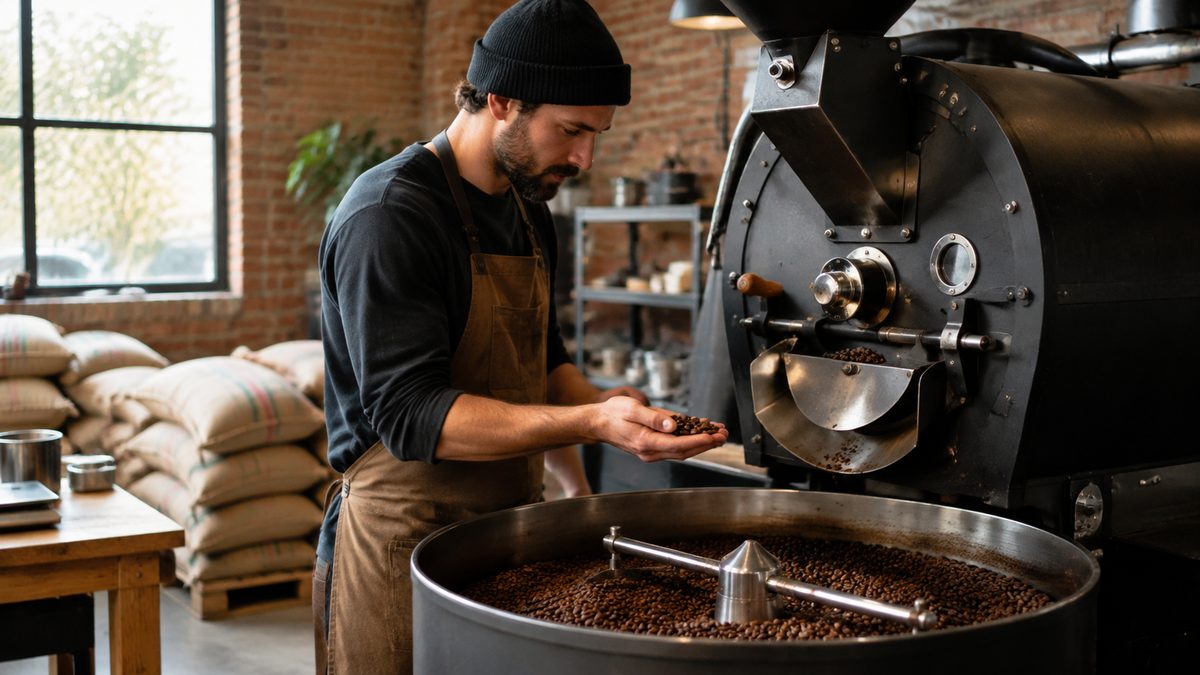
Coffee Roasters in Brunswick
The best coffee roasters in Brunswick sell fresh beans, explain how they taste, and help you choose a roast that suits your brewing method. Brunswick sits inside one of Melbourne's strongest coffee areas, so buyers have plenty of choice. The harder task is telling skilled roasting from sharp branding. Freshness matters, but roast quality, sourcing, storage, and useful advice matter too.
A good roaster can tell you where a coffee came from, when it was roasted, and how to brew it. Staff should also be able to explain taste in plain words. You should leave knowing whether the coffee will taste rich, bright, sweet, soft, or bitter in your cup.
What should you look for when choosing a local roaster?
Start with the information printed on the bag. Look for a roast date, origin, process, and suggested brew style. A clear label lets you compare products without guessing. A vague bag that promises only a strong or premium taste tells you little about the coffee inside.
Next, ask one direct question: what would you recommend for the way I make coffee? A skilled seller will ask about your machine, grinder, usual milk choice, and preferred flavour. That short talk often tells you more than a long tasting note.
Watch how the beans are stored. Heat, sunlight, moisture, and open air reduce flavour. Whole beans should sit in sealed bags or protected containers. The shop should turn stock over often rather than keep large amounts on display for months.
Useful signs include:
- A visible roast date rather than a distant best-before date
- Clear advice for Espresso, filter, and milk-based drinks
- Several origins or blends with distinct flavour descriptions
- Staff who ask how you brew before suggesting a bag
- Small retail stock that appears to move quickly
Do not judge the business by the smell of roasted coffee alone. A strong roasting smell can be pleasant, but it does not prove that the beans in the retail bag suit your taste.
How does roast style change what you taste?
Coffee roasting turns a hard green seed into an aromatic Coffee bean that can be ground and brewed. Heat drives off water, changes sugars, and creates hundreds of aroma compounds. Small changes in time and temperature can shift the final cup from light and lively to deep and heavy.
Lighter roasts tend to keep more of the flavour linked to origin. You may notice citrus, berry, floral, tea-like, or crisp notes. Darker roasts bring stronger cocoa, toast, spice, and smoky flavours. Medium roasts often sit between these ends, with enough body for milk and enough clarity to drink black.
Colour does not tell the whole story. Two beans that look alike may taste different because the roaster used a different heat curve. The design of the Drum, the burner setting, batch size, and Airflow all affect how heat moves through the coffee. Airflow also removes smoke and chaff. Poor control can leave the cup flat, scorched, or harsh.
The best roast is the one that works for your drink. A dark roast may taste powerful in milk yet bitter as black coffee. A light roast may taste clear as Drip coffee but sharp when pulled as a short shot. Buy for your brewing method rather than choosing by colour alone.
Should you buy a blend or a single-origin coffee?
Choose a blend when you want a steady daily cup. Roasters combine coffees to build a repeatable flavour, such as chocolate with caramel and a full body. A blend often works well for Espresso because each part can serve a purpose. One Bean may add body while another adds aroma or Sweetness.
Choose a single-origin coffee when you want to taste the character of one place, farm, or processing method. These coffees can change through the year as harvests arrive. They suit drinkers who enjoy trying new flavours and adjusting a recipe.
Neither option is a mark of higher quality. A careful blend takes skill, and a costly single-origin coffee can still be roasted badly. Judge the result in the cup.
If you drink coffee with milk, ask which product keeps its flavour in your usual cup size. A delicate coffee can disappear in a large latte. If you drink coffee black, ask for a clean finish and the level of acidity you enjoy. Words such as juicy, bright, crisp, and lively often point to more noticeable acidity. Chocolate, nut, caramel, and syrup often point to a rounder profile.
How fresh should the beans be?
Fresh does not mean brewed on the day of roasting. Coffee releases carbon dioxide after it leaves the roaster. During this resting stage, a very fresh coffee can produce unstable shots and uneven extraction.
The ideal resting window varies by roast, packaging and brew method. Follow the roaster’s advice for the product you buy rather than applying one fixed number of days to every bag.
Buy an amount you can finish while the coffee still tastes lively. For many homes, a smaller bag bought more often gives a better result than a large discount bag kept open for weeks. Keep it sealed in a cool, dry cupboard. Avoid the fridge, where moisture and food smells can become a problem. Freezing can work for sealed portions, but repeated thawing and opening adds condensation.
Grind only what you need. Once ground, coffee loses aroma far faster because much more surface area touches oxygen. If your budget forces a choice between an expensive brewer and a sound grinder, the grinder often makes the larger daily difference.
What should you ask before buying a bag?
Describe the drink you want rather than using expert terms. Say, for example, that you make two flat whites each morning and prefer chocolate flavours with low sharpness. That gives the roaster enough detail to suggest a suitable product.
Ask these questions:
- Was this roasted for Espresso, filter, or both?
- How long should it rest before I open it?
- What recipe should I try first?
- Will it hold its flavour in milk?
- Which grinder setting changes should I make if the cup tastes sour or bitter?
A useful starting recipe saves wasted beans. For espresso, the advice may include the dry dose, drink weight, and shot time. For pour-over or batch brew, it may include the coffee-to-water ratio, grind range, water temperature, and total brew time.
Treat that recipe as a starting point. Your water, grinder, and machine change the result. If the coffee tastes sour and thin, grind finer or extend contact time. If it tastes dry and bitter, grind coarser or shorten the brew. Change one setting at a time so you know what fixed the cup.
Can you judge a roaster by its café coffee?
A café drink offers useful evidence, but it tests more than the roast. Grinder setup, water, machine cleaning, milk texture, and staff skill all affect the cup. One weak drink does not prove the beans are poor, just as one excellent drink does not mean you can copy it at home without the right setup.
Order a drink close to the way you brew. If you buy beans for black coffee, taste a batch brew, long black, or filter option. If you make milk drinks, order your usual size. Very large cups can hide detail and make it harder to judge the coffee itself.
Pay attention to the finish. Harsh bitterness that stays on the tongue can point to a dark roast, over-extraction, poor cleaning, or water that is too hot. Sharp sourness can come from under-extraction or a light roast brewed with the wrong recipe. Pleasant acidity should feel clear and fruit-like rather than raw.
Also notice whether the staff can connect the café result to home Coffee preparation. Good advice should account for your equipment. A recipe made for a commercial machine may need changes on a small home machine.
How can you compare Brunswick roasters fairly?
Use the same brew method for each coffee and keep your recipe steady. Comparing one flat white with one filter coffee tells you more about drink style than roast quality. Buy two small bags suited to the same method, brew them with the same water, and taste them after a similar rest period.
Write down four things: aroma, sweetness, body, and finish. Skip scores unless they help you. Plain notes such as soft cocoa, bright orange, heavy body, or dry finish make future buying easier.
Price deserves context. A higher price may reflect rare plant varieties, careful picking, small lots, demanding processing, or better pay at origin. It may also reflect packaging and brand costs. Ask what makes the coffee different, then decide whether that difference appears in your cup.
Value also includes service. A local roaster who helps you fix a poor shot may save more money than a cheaper bag bought without guidance. In practice, the best repeat purchase is often the coffee you can brew well every morning.
Does local roasting guarantee better coffee?
No. Local roasting can shorten the path between the roasting machine and your kitchen, but distance alone does not create quality. A Brunswick business still needs sound green coffee, trained staff, clean equipment, accurate roasting records, and careful packing.
Local access does offer real benefits. You can ask questions in person, buy smaller amounts, and return for help. You may also taste the coffee before committing to a full bag. That feedback loop makes it easier to improve your home brewing.
A roaster based elsewhere in Melbourne may also deliver excellent, fresh coffee to Brunswick. Use location as a practical benefit, then judge the coffee on freshness, flavour, transparency, and support.
What common buying mistakes waste good beans?
The first mistake is buying by strength number. Strength labels may describe roast colour, bitterness or body rather than a brewing recipe. Ask what the label means and choose according to the cup you want.
The second mistake is asking for the freshest possible bag and opening it at once. Resting can make extraction more stable. Follow the roaster's date guidance.
The third mistake is changing beans before fixing the grinder. Stale grounds held inside a grinder, dull burrs, or the wrong setting can make several good coffees taste poor. Clean the grinder and set a repeatable recipe before blaming the roast.
The fourth mistake is ignoring water. Coffee is mostly water, so strong mineral taste, chlorine, or very hard water can mask flavour and create scale in a machine. Filtered water often improves clarity, though water with almost no minerals can also brew a flat cup.
The final mistake is buying flavour notes as if they were added ingredients. A bag marked peach or cocoa usually describes tastes that appear through variety, origin, processing, and roasting. It does not mean the roaster added peach or chocolate.
How do you turn one good purchase into better daily coffee?
Keep a simple record for each bag. Note the roast date, dose, grind setting, brew time, and result. You do not need a complex chart. One line per change is enough.
Use scales where possible. Scoops vary with Bean size and roast level, while weight stays clear. Measure the coffee going in and the drink coming out. This gives you a recipe you can repeat.
Clean equipment before testing a new bag. Old coffee oils turn stale and bitter. Rinse removable brewer parts, wash milk gear, brush out loose grounds, and follow the maker's cleaning steps for your machine.
Then make small changes. Adjust the grinder first. Keep the dose steady until you understand the effect. Once the cup tastes close, adjust drink weight or water amount to tune strength.
Action takeaway: Visit a Brunswick roaster with your brew method and flavour preference in mind, buy one small fresh bag, ask for a starting recipe, and record the first three brews until the cup tastes right.
Two Brunswick places to start: Code Black Brunswick HQ, 15–17 Weston Street (https://codeblackcoffee.com.au/pages/brunswick-hq), and Wide Open Road, 274 Barkly Street (https://wideopenroad.com.au/pages/brunswick). Both operators describe a Brunswick roastery and cafe; confirm current retail offerings before visiting. Details checked on 11 October 2026. For background on freshness, see the Specialty Coffee Association: https://sca.coffee/sca-news/coffee-decoded-9-fresh-coffee.
Explore more local guides at https://brunswicklocal.pages.dev/.
Image: AI-generated editorial illustration; it does not document a particular venue or visit.