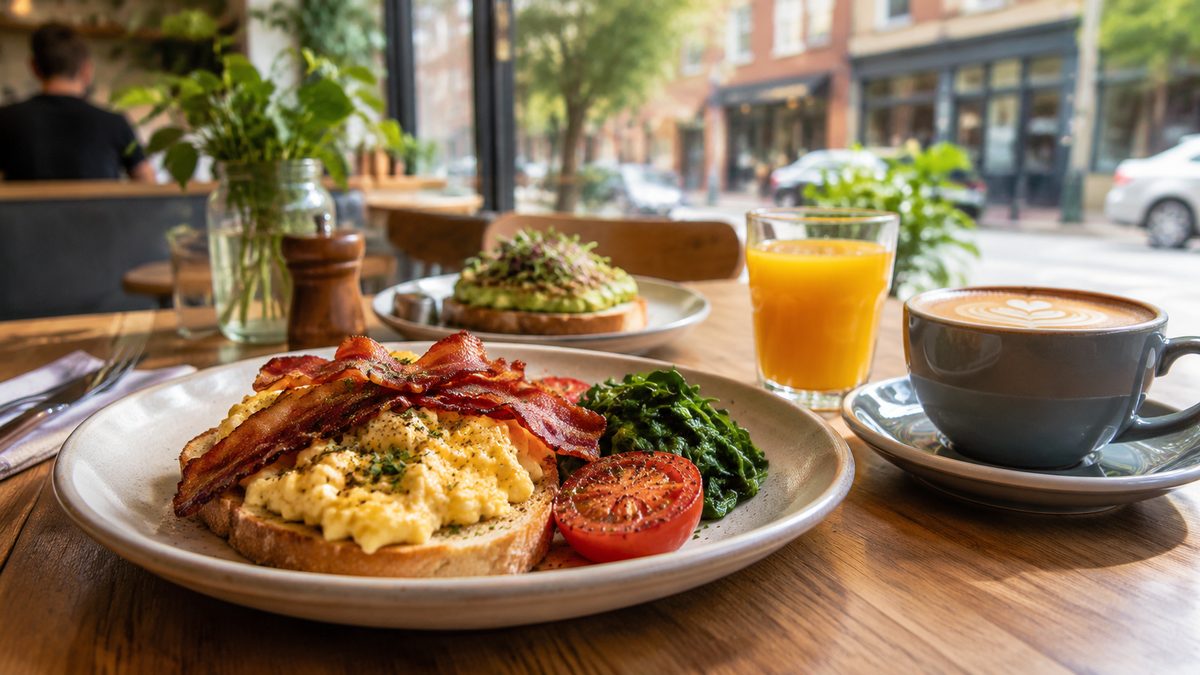
Breakfast in Brunswick Melbourne
The best breakfast in Brunswick Melbourne is the one that matches your appetite, dietary needs, coffee standards and available time. Brunswick has everything from quick pastries to large cooked plates, but the right choice often comes down to the street, venue style and time of day. A little planning can save you from a long wait, a weak meal or a bill that feels too high.
Brunswick, Victoria has a strong morning food scene shaped by old bakeries, migrant-owned businesses and modern cafes. You can eat eggs with house-made bread, order a Middle Eastern breakfast or keep things simple with coffee and toast. Brunch draws the biggest crowds, yet an early breakfast often gives you better service and a quieter room.
What type of breakfast suits your morning?
Start with what you need from the meal. A person heading to work needs speed. Someone meeting a friend may care more about seating and a broad Menu. A hungry diner may want a full cooked breakfast, while a visitor exploring the area may prefer one good dish before walking around Brunswick.
Choosing a busy venue before deciding what to eat can leave you with a menu that does not suit your needs. Decide whether you want a fast bite, a filling plate or a slow brunch before picking the venue.
A quick breakfast usually means a pastry, toast, a breakfast roll or something from a display cabinet. These meals work well when you have less than 30 minutes. A cooked breakfast takes longer because each part is prepared after you order. Allow extra time on weekends, when kitchens may receive many orders at once.
For a social meal, look for shared dishes, outdoor seating and a room where tables are not packed too close together. If you plan to talk for an hour, avoid a tiny counter-focused cafe during its busiest period. Staff need those seats for people eating quickly, and you may feel pushed to leave.
Which Brunswick street should you choose?
Your route matters because Brunswick stretches across several dining areas. Sydney Road has the widest mix of traditional bakeries, casual eateries and newer breakfast rooms. It suits visitors who want several options within a short walk. It is also easy to reach by tram, but parking can take time during busy periods.
Lygon Street is a cafe corridor in neighbouring Brunswick East. Check the exact suburb, address and walking distance if you include it in a broader Brunswick-area breakfast plan.
Nicholson Street borders the eastern side of Brunswick East. Its venues are a separate destination from the Sydney Road strip, so choose an exact address and check your route before travelling.
Do not judge a breakfast place by the main road alone. Compare nearby options by walking distance, seating and current menu before relying on social media photos. Check parking and access arrangements rather than assuming a side-street location will make them easier.
How can you read a breakfast menu quickly?
A good breakfast Menu should tell you what the kitchen does well. If most dishes use similar bread, sauces and seasonal produce, the kitchen can prepare them with care and keep ingredients fresh. A huge menu may seem useful, but it can slow service and make quality less steady.
Look for clear descriptions. A dish called toast should state the bread type and what comes with it. An egg dish should explain how the eggs are cooked. Sides should have separate prices. These details help you compare the real cost of each meal.
Eggs as food may sound like a simple idea, but cooking method changes the whole plate. Poached eggs need careful timing. Fried eggs add crisp edges and richer flavour. Scrambled eggs can range from soft and creamy to firm and dry. If texture matters to you, state your preference when ordering rather than hoping the kitchen guesses.
Check whether a dish already includes bread, greens or sauce before adding extras. A low starting price can climb fast once you add avocado, mushrooms or another egg. A more expensive set dish may offer better value because the main parts are included.
Seasonal dishes are often worth considering. Tomatoes taste better in warm months, while mushrooms and baked grains suit cooler mornings. Seasonal ingredients tend to need less sauce to make them appealing. They can also show that the kitchen updates its food rather than serving the same tired plate all year.
What should you know about Brunswick coffee?
Coffee culture is part of breakfast in Brunswick, but a good meal does not always come with great coffee. Some venues focus on food and use a simple house blend. Others treat coffee as the main event and keep the food list short. Decide which matters more before you order.
Specialty coffee usually means more care has gone into bean origin, roasting and brewing. It does not promise that every cup will suit your taste. A light roast may taste bright or fruity. A darker blend may offer more chocolate flavour and work better with milk. Ask what the house coffee tastes like in plain terms.
If you drink espresso or long black, bean quality and extraction errors are easy to notice. Milk drinks can soften sharp flavours, but poor milk texture still shows. A smooth flat white should feel joined together, with no thick foam cap floating above thin coffee.
Order coffee when you sit down if you want it before the meal. Ask for it with the food if you dislike finishing your drink before breakfast arrives. On a crowded morning, these requests may not line up perfectly because the coffee bar and kitchen work at different speeds.
If you would like another coffee, order it with enough time before you need to leave. The cafe’s workload will affect how quickly a second order arrives.
How can you order for dietary needs?
Read the menu before arriving when food restrictions matter. Many Brunswick venues mark vegetarian or vegan choices, but symbols do not explain every ingredient. Sauces, spice mixes and fried foods may still need checking.
A gluten-free diet needs more care than choosing bread labelled gluten free. Shared toasters, grills and preparation benches can cause cross-contact. If you have coeliac disease, ask whether the kitchen can prepare the meal safely. A cafe may offer gluten-free bread without having a separate preparation area.
Use clear language with staff. Say whether an ingredient is a preference, intolerance or medical risk. This gives the kitchen the information it needs. Do not remove several core parts from a dish and expect the result to taste complete. It is often better to choose a meal that needs one small change.
Plant-based diners should check spreads, dressings and baked goods. Butter, eggs or dairy can appear in food that looks vegan at first glance. A venue with several planned plant-based dishes will usually deliver a better meal than one that removes cheese and eggs from a standard plate.
People with nut allergies should ask about granola, pesto and shared display cabinets. Staff may need time to confirm ingredients, so mention the allergy before ordering drinks. That lets the kitchen check labels while you settle in.
When should you arrive?
Arrive before 9 am on Saturday or Sunday if you want the best chance of getting a table without waiting. The busiest period often starts later in the morning when breakfast overlaps with Brunch. Weather can shift this pattern. A sunny day fills outdoor tables, while rain pushes everyone into smaller indoor rooms.
Weekday mornings may suit a quieter visit, although rush periods vary by venue. If you have an appointment, ask staff about the current kitchen wait before ordering.
One of the most useful habits is checking whether a venue accepts bookings. Many small cafes keep tables for walk-ins because guests stay for different lengths of time. Larger venues may accept bookings for groups but set a time limit on weekends.
If a queue forms, ask for the likely wait before joining it. A ten-minute estimate is manageable. A vague answer may mean the venue cannot predict when tables will clear. You can often walk to another option on Sydney Road or nearby streets in less time than you would spend waiting.
How much should you expect to spend?
Set a total budget that includes drinks and extras. A basic breakfast can stay affordable, but a cooked dish, coffee and side can lift the final price quickly. Check the surcharge policy for weekends and public holidays because staffing costs may be added to the bill.
Value is more than portion size. Good bread, fresh produce and careful cooking can make a smaller dish more satisfying than a large plate of cheap parts. Waste also matters. Ordering a huge meal that you cannot finish gives poor value even if the plate looked generous.
For a lower-cost breakfast, choose one complete item rather than building a meal from sides. A filled roll, savoury pastry or toast with a planned topping often costs less than eggs with several add-ons. Water is usually enough if coffee is not a priority.
Groups should check whether the bill can be split. Some venues take payment at the counter, while others bring the bill to the table. Paying together can be faster during a rush. If each person needs to pay separately, tell staff before the group starts leaving.
What signs point to a well-run breakfast service?
Watch how the room moves. Staff should greet new guests, clear finished tables and explain delays. A full cafe can still run well when roles are clear. A half-empty room can feel slow when nobody knows who is taking orders.
Look at plates leaving the kitchen. Similar dishes should have steady portions and clean presentation. Toast should arrive before it turns cold. Poached eggs should not sit in water. These small signs reveal whether the kitchen controls timing.
Clean menus, tables and water bottles matter because breakfast service involves constant turnover. Outdoor tables need extra care after wind or rain. A sticky table does not prove the kitchen is unsafe, but it suggests the front of house has lost control of the rush.
Listen to how staff answer questions. A useful answer is clear and specific. If they need to ask the kitchen, let them. Guessing about allergens or ingredients is worse than taking an extra minute to confirm.
How can you make the meal better?
Choose one priority before you leave home. It may be specialty coffee, a quiet table, a low-cost meal or safe food for a gluten-free diet. Use that priority to rule out places that do not fit.
Check the current opening hours and latest menu on the venue's own page. Old review photos can show dishes that have changed or disappeared. Public holiday hours may also differ from the normal schedule.
Order with purpose once you sit down. Ask one clear question if needed, then choose a dish designed by the kitchen. Too many swaps can slow the order and leave you with a plate that lacks flavour or texture.
If the first venue has a long wait, consider a nearby alternative. Check the map first: Lygon Street and Nicholson Street are in the Brunswick East area, so they may require a longer walk rather than a quick move to the next block.
Pick your main priority, check the current menu and opening hours, then arrive before the weekend brunch rush.
Planning notes reviewed on 11 October 2026. Confirm each venue’s current menu, hours and access directly. For gluten cross-contact information, see Coeliac Australia’s eating-out guidance: https://coeliac.org.au/live/eating-out/.
Explore more local guides at https://brunswicklocal.pages.dev/.
Image: AI-generated editorial illustration; it does not document a particular venue or visit.