Ceres Brunswick East Visitor Guide
Plan at least two hours at CERES so you can explore the market, gardens, nursery and creek setting without rushing. CERES Community Environment Park is more than a place to buy food or plants. It is a working community site where you can see practical ideas for living with less waste and a lighter use of resources. A first visit works best when you treat the whole park as the attraction.
The site sits in Brunswick East beside Merri Creek. Its paths connect food growing, shopping, play, learning and green space in one compact area. You can come for breakfast, buy groceries, look through the Plant nursery and then walk beside the creek. You can also visit with one clear aim, such as finding local produce or showing a child where food comes from.
Hours for individual parts of CERES can differ. Check the official CERES website before leaving, especially if your visit depends on a meal, workshop, market stall or nursery purchase. This guide focuses on how to use your time once you arrive.
What makes CERES different from a normal park?
CERES is a community environment park built around action. It shows how a local Food system can connect growers, shops, education and household choices. You are looking at working examples rather than a display made only for visitors.
The grounds contain productive gardens, community spaces, food outlets, learning areas and small-scale environmental systems. Signs and visible equipment help explain ideas such as Waste minimisation, water care and Renewable energy. Some features may be easier to see during a tour or program, but the site itself still gives these ideas a physical form.
This changes how you should explore. Slow down near garden beds, compost areas, water tanks and energy features. Ask what each part does and who uses it. The value often sits in small details, such as reused materials or the way growing areas fit between busy community spaces.
The park also feels different through the day. A quiet garden path can sit close to a busy café table or a group activity. That mix is part of the place. CERES is used by local people, so visitors share it with shoppers, workers, families, students and gardeners.
Which parts should you see first?
Begin with the main public areas and let your interests shape the route. There is no need to inspect every corner in a fixed order. A good visit joins four parts of the site: food, growing, learning and the creek.
Start where the park feels active
The café, market and retail areas help you understand CERES as a working community hub. Look at what people are buying and how the site connects daily needs with environmental aims. The Grocery store is useful even if you only browse. It shows how food choices, packaging and supply can become part of a wider local system.
If you plan to eat, do it early or confirm service times first. Food areas can become busy, especially on pleasant weekends. Ordering before a long walk also prevents a simple problem: returning hungry after the kitchen has changed service or closed.
Move through the growing areas
The productive parts of CERES make Urban agriculture easy to grasp. Food is being grown within the city, close to homes and customers. This reduces the gap between a garden bed and a meal, while giving people a place to learn practical growing skills.
You may also see Community gardening in action. These spaces are active plots rather than polished show gardens. Beds can look full, bare, wet or untidy as seasons and tasks change. That is useful. Real food growing includes soil work, spent crops, compost and repair.
Ideas linked to Regenerative agriculture can be read through this work. Healthy soil, organic matter, plant diversity and careful water use support future harvests. The core lesson is simple: food production should improve the systems it relies on instead of using them up.
Finish the main loop at the nursery
The Plant nursery turns ideas into something you can take home. Browse with a clear sense of your space, sun and watering limits. A plant that suits those conditions will serve you better than one chosen only for its flowers or leaf colour.
Take photos of labels for later reference, but ask before photographing staff or customers. If you want advice, bring measurements and a photo of the planting spot. That gives nursery staff useful facts and can stop you from buying a plant that will struggle.
How does CERES explain sustainable living?
The strongest form of Environmental education at CERES comes from seeing several systems work together. A compost area relates to soil. Soil relates to food. Food relates to shopping and waste. The site makes those links easier to understand because they sit within walking distance of each other.
Children often learn more from a concrete task than from a broad lesson. Ask them to find where rainwater might go, spot a reused object or trace food from a growing bed to a place where people eat. Adults can use the same method. Choose one idea and follow it across the park.
Waste minimisation is a good example. It includes avoiding waste before it exists, keeping materials in use and returning suitable organic matter to soil. Recycling is only one part of that process. This is an angle many short guides miss because they describe bins without explaining the choices made before something becomes rubbish.
Renewable energy also makes more sense when you connect it to demand. Producing cleaner power helps, but using less power matters too. Look for design choices that affect shade, heating, water movement or daily work. A technology is most useful when it forms part of a sensible system.
In a real visit, you will not absorb every idea. One family may focus on compost because they have started a garden. A renter may pay more attention to food buying and low-waste habits because they cannot alter their home. Both leave with something useful because the site offers actions at different scales.
How should you include Merri Creek in the visit?
Merri Creek gives CERES its wider setting. The waterway, vegetation and shared path remind visitors that the park belongs to a larger Natural environment. Water, soil, plants, wildlife and human activity cross the site boundary.
Add a short creek walk after exploring the park. The Merri Creek Trail can extend the visit, but you do not need to turn the day into a long hike. Walk for a set amount of time, then return by the same route if you are unsure of the area.
Creek paths may be used by riders, runners and walkers. Keep to one side, supervise children and pause away from the main line of travel. Conditions can change after rain. Wear shoes that can handle damp or uneven ground, and stay behind barriers where repair work or restoration areas are marked.
The creek walk also helps explain why on-site choices matter. Loose litter can enter drains and waterways. Soil care can affect runoff. Local planting can create habitat. The connection is visible here, which makes the lesson stronger than a sign viewed in isolation.
What should families and groups know?
Families should plan around energy, hunger and supervision. CERES is stimulating because several activities can happen at once. The same quality can overwhelm a tired child. Set one main goal, allow time for food and keep the route flexible.
Do not assume every growing space is open for touching, picking or play. Working beds may contain young plants, tools or irrigation lines. Use public paths and follow signs. Ask staff before feeding animals, entering enclosed areas or taking produce.
A simple observation game can keep children engaged without disturbing the site. Ask them to find a solar feature, a plant that produces food, an example of material reuse and a sign of creek wildlife. Four prompts are enough to guide attention while leaving room for discovery.
Groups should agree on a meeting place before splitting up. Use a clear landmark near a public entrance or busy service area. School and community groups may benefit from a booked program because a guide can connect visible features to the ideas behind them.
What should you bring?
Bring a water bottle, weather protection, practical shoes and a reusable shopping bag. Add containers only if you already know they suit the purchase you plan to make. A bag matters because visitors often leave with groceries, seedlings or both.
Dress for an outdoor community site rather than an indoor attraction. Shade and shelter can vary across the grounds. Melbourne weather can also change during a visit, so check the forecast before you travel.
If access needs shape your day, contact CERES directly for current advice. Outdoor surfaces, works and event setups can change how easy a route feels. Ask about the areas you want to use, including toilets, dining spaces and the route from your arrival point.
Dogs, bikes and other practical matters may be governed by signs or current site rules. Check those rules before arriving. If you cycle, bring a secure lock and walk your bike through crowded pedestrian areas.
When does a visit feel least rushed?
Weekday visits can feel calmer, while weekends may offer more community activity. The better choice rests on what you want to experience. Choose a quieter period for careful browsing and conversation. Choose a busier period if the market atmosphere is part of the appeal.
Morning is often the easiest time to combine food, shopping and outdoor walking. It gives you more room if one stop takes longer than expected. It can also make summer visits more comfortable before the day heats up.
Allow about two hours for a useful first visit. Add more time if you plan to eat, shop closely, attend a program or continue along the creek. A quick grocery stop needs far less, but it will not show you how the parts of CERES connect.
How can you spend money with purpose?
Decide what you need before browsing. This keeps a visit linked to use rather than impulse. Groceries that replace a planned supermarket purchase make sense. A suitable plant can support a home garden for years. A meal can fund the visit while giving you time to observe the site.
Read labels and ask specific questions. Where was the food grown? What conditions does the plant need? How large will it become? Does an item reduce waste in your actual routine? Clear questions turn shopping into practical learning.
The most useful purchase may also be no purchase. You might leave with a plan to start composting, waste less food or grow one herb near a window. CERES works when an idea survives the trip home.
What is the best first-visit plan?
- Check current opening and service times for the parts you want to use.
- Arrive with enough time to walk through the food, garden and learning areas.
- Eat or shop before your planned service closes, then browse the nursery.
- End with a short walk beside Merri Creek if the weather and path conditions suit you.
Avoid packing the day with distant stops. CERES already combines a market, green space and environmental learning in one visit. If you want to see more of Brunswick East afterward, choose one nearby meal or local service rather than racing through a long list.
Before you leave home, choose one idea you want to learn and one useful action you will take after the visit.
CERES is in Brunswick East at the corner of Roberts and Stewart Streets, VIC 3057: https://ceres.org.au/our-locations/. Its visitor page explains site access and notes the Grocery & Bakery’s sloping path and lightly gravelled courtyard may require assistance: https://ceres.org.au/visit/. Check each business’s hours and any advertised market or workshop separately; this guide does not promise an event is running. A two-hour visit is a suggested allowance. Reviewed 11 October 2026.
Explore more local guides at https://brunswicklocal.pages.dev/.
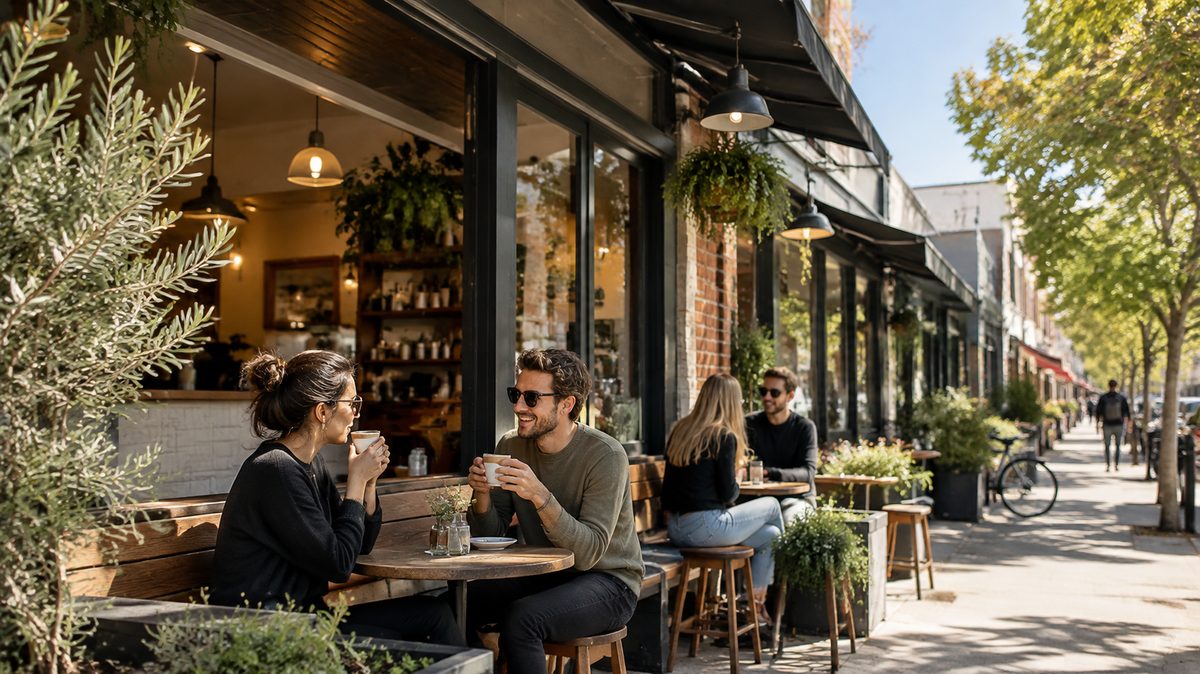
Image: AI-generated editorial illustration; it does not document a particular venue or visit.