Temple Park Brunswick Family Guide
Temple Park is best for a simple family outing built around play, open space and an easy snack break. It suits families who want local Recreation without turning the day into a major trip. The park feels manageable because adults can keep the visit loose. Children can move between the Playground and grass while the family stays within one shared area.
This Temple Park Brunswick family guide focuses on how the park works in real life. The key is to plan for a neighbourhood park, not a full-day destination. Bring what you need, choose the right time and let the park support a short outing that can stretch longer when everyone is happy.
What kind of family visit works best here?
Temple Park works best for visits lasting about one to two hours. That gives children time to settle into play without forcing adults to pack for a full day. It is a useful choice after breakfast, between errands or before the late afternoon rush at home.
Families often make park visits harder by planning too much. A fixed schedule can fall apart when a child wants another turn on the equipment or refuses the snack that seemed perfect at home. At Temple Park, a loose plan works better. Set one clear aim, such as active play followed by a drink and snack. Treat anything after that as extra time.
Let children observe the play area before joining in. Follow their confidence and keep supervision appropriate to their age and abilities rather than relying on a fixed settling-in time.
Who will get the most from the playground?
The Playground is a natural base for families with younger children and primary school children. Younger visitors often focus on repeated movement. They may climb the same route or return to one familiar feature. Older children are more likely to turn the equipment and nearby space into a wider game.
Age labels cannot tell you whether a child will feel safe. Watch the height of steps, the speed of moving parts and the way children enter or leave each feature. A confident four-year-old may handle a section that worries an older child who dislikes heights. Stay close during the first few attempts, then step back when the child shows control.
Siblings with a wide age gap may need different plans. Let one adult stay near the play equipment while another moves with the older child into the open area. If only one adult is present, set a clear boundary that both children can understand. Use a visible tree, path or edge as the limit. A boundary works better when the child can point to it.
The park also gives children room for play that does not depend on equipment. Bring a soft ball, chalk for permitted hard surfaces or a small bottle of bubbles. Avoid toys that travel far when the park is busy. A light ball can quickly roll into another group’s space and turn a calm visit into constant chasing.
How should adults supervise without hovering?
Choose a position that gives you a clear view of the main play area and the route a child may take toward the open space. Do this before opening food, checking a phone or starting a long chat. The safest seat is not always the closest seat. A spot a few metres back may give you a better view than standing beside one piece of equipment.
Young children move fast when they spot a Dog, another child or an object on the ground. Agree on a return point as soon as you arrive. It might be a bench, a bag or a picnic rug. Tell the child to come back there if they lose sight of you. Keep the instruction simple enough for them to repeat.
Choose a visible family base and explain a boundary your child can understand. A picnic rug or bench may serve as a reference point, but it does not replace active supervision.
Adults should also scan the play surface before children rush in. Look for broken items, sharp litter, hot surfaces or standing water. Move hazards that are safe to handle. Keep children away from anything that needs council attention.
Where should a family set up?
Pick a base that supports supervision and comfort. Shade matters on warm days, but visibility matters more. A cool corner becomes a poor choice if shrubs, equipment or other visitors block your view.
Place bags together rather than spreading them across a large patch. Keep water within reach. Put food in sealed containers until the group is ready to eat. This leaves more room for other visitors and reduces the chance of birds reaching the meal.
A full Picnic setup is rarely needed. Temple Park is better suited to a rug, simple food and a quick clean-up. Families planning a large birthday meal should first check current council rules and think about how much shared space the group would take. A small gathering fits the park’s local feel more easily.
Do not count on finding the perfect empty table or shaded seat. Local parks change through the day as school groups, neighbours and other families arrive. A waterproof-backed rug gives you more choice after light rain and removes the need to wait for a seat.
What should you pack for a low-stress visit?
Pack for comfort, minor mess and changing play. One small bag is usually enough. If an item takes more work to carry than the value it adds, leave it at home.
- Bring filled water bottles and a snack that can stay sealed.
- Pack sunscreen, hats and one spare layer for each child.
- Add wipes, a small rubbish bag and basic first-aid supplies.
- Take one simple play item that is easy to find and carry home.
For babies or toilet-learning children, add the supplies you would need if the visit runs thirty minutes longer than planned. Check current public toilet options before leaving home. Never assume a small park has an open toilet or a suitable change space.
Consider spare clothes for wet grass, spills or mud, and pack only what your family is likely to need.
When is the park most comfortable?
Morning usually suits families with small children because the day is cooler and energy levels are higher. Late afternoon can work well for school-aged children who need movement after class. The middle of a hot day offers less comfort, especially when play surfaces have absorbed hours of sun.
Weather changes how long the park remains enjoyable. Check the temperature, rain chance and wind before leaving. Strong wind can make light toys hard to control. Recent rain may leave grass damp even when the path looks dry.
Busy periods are not always bad. Other children can make play easier for a child who likes company. A quieter time suits children who need more space or become upset by noise. If your child finds a busy Playground hard, arrive earlier and leave before after-school activity builds.
Set a leaving cue before play begins. A drink break, one final activity or a phone timer can mark the end. Give a short warning and offer one clear last choice. This reduces the shock of being told to leave during the best part of a game.
How does accessibility affect the plan?
Accessibility begins before a family reaches the play area. Think about the full route from home, public transport or the parked car. A short path may still be difficult with a heavy pram, limited mobility or a child who bolts near roads.
Families using a wheelchair or mobility aid should assess path surfaces, slopes, gates and usable rest points. Conditions may change after works or wet weather. Check current council information when step-free access or an accessible toilet is essential to the visit.
Sensory access matters too. Some children need time to watch before joining play. Others need a quieter edge where they can recover without leaving the park. Bring familiar hearing protection or a comfort item if it helps at busy places. Do not force quick participation. A child who watches from the rug is still learning how the space works.
A visual plan can make the outing easier. Show the child four steps: arrive, play, have a snack and go home. Keep the order stable. Predictability often gives children more confidence to explore once they arrive.
What should families know about dogs and shared space?
Temple Park is shared public space, so families may meet dog walkers during the visit. Follow the signs on site because Dog access rules can differ by area and may change. Do not treat open grass as an automatic off-leash zone.
Teach children to ask the handler before touching a dog. A friendly-looking animal may be nervous around fast movement or loud voices. Children should stand still, keep food close and let the handler control the meeting. If a dog approaches the family’s rug, ask the handler to call it back rather than encouraging the child to manage the animal.
Dog owners can help by keeping animals away from play equipment and food. Families can help by storing snacks and avoiding sudden ball throws near an unfamiliar dog. Shared use works when each group keeps control of its own space.
How can you make the trip part of a Brunswick day?
Temple Park works well as one part of a local outing in Brunswick, Victoria. Pair it with one nearby task, such as collecting groceries or taking a short walk. Adding many stops can turn a relaxed park visit into a day ruled by the clock.
Children often cope better when the active part comes before the errand. Let them move, drink some water and settle before asking them to sit in a pram or walk through a shop. If the errand is time-sensitive, reverse the order and make the park the reward.
Some older references may place local services under Moreland. The council area is now called Merri-bek, so current signs and council pages may use that name. Knowing both names can help when older maps, saved links or community posts appear in search results.
If you walk to the park, choose the route based on safe crossings and footpath comfort rather than distance alone. A slightly longer route may be easier with young children if it avoids rushed crossings. Point out the return route when you arrive so children begin to understand where the park sits within their neighbourhood.
How should the family leave the park?
Start packing before children become exhausted. Tired children struggle with sudden changes, and adults miss belongings when they rush. Put rubbish away, check under the rug and count the items you brought.
- Give children a clear final-play warning.
- Seal leftover food and collect all packaging.
- Check the ground around your base and play area.
- Offer water before beginning the trip home.
Leave natural items where they belong. Sticks, leaves and stones may seem harmless to take, but repeated collecting changes the space. Children can photograph an interesting find or draw it later instead.
If the park has a damaged feature, overflowing bin or access problem, record the exact location and report it through the current council channel. A useful report states what is wrong and where it sits. Keep children away from the area while you do this.
Pack one small bag, arrive before the busiest part of the day and use a visible family base beside the play area.
Council information: Temple Park is at 24 Gray Street, Brunswick, and lists a playground, picnic tables, barbecues, shelter, basketball half court and toilets. Dogs must remain on a leash and are prohibited within 15 metres of playgrounds. Check notices and facility condition on arrival: https://www.merri-bek.vic.gov.au/exploring-merri-bek/parks-and-gardens/find-a-park/temple-park/. Durations above are suggested plans, not observed visitor averages. Reviewed 11 October 2026.
Explore more local guides at https://brunswicklocal.pages.dev/.
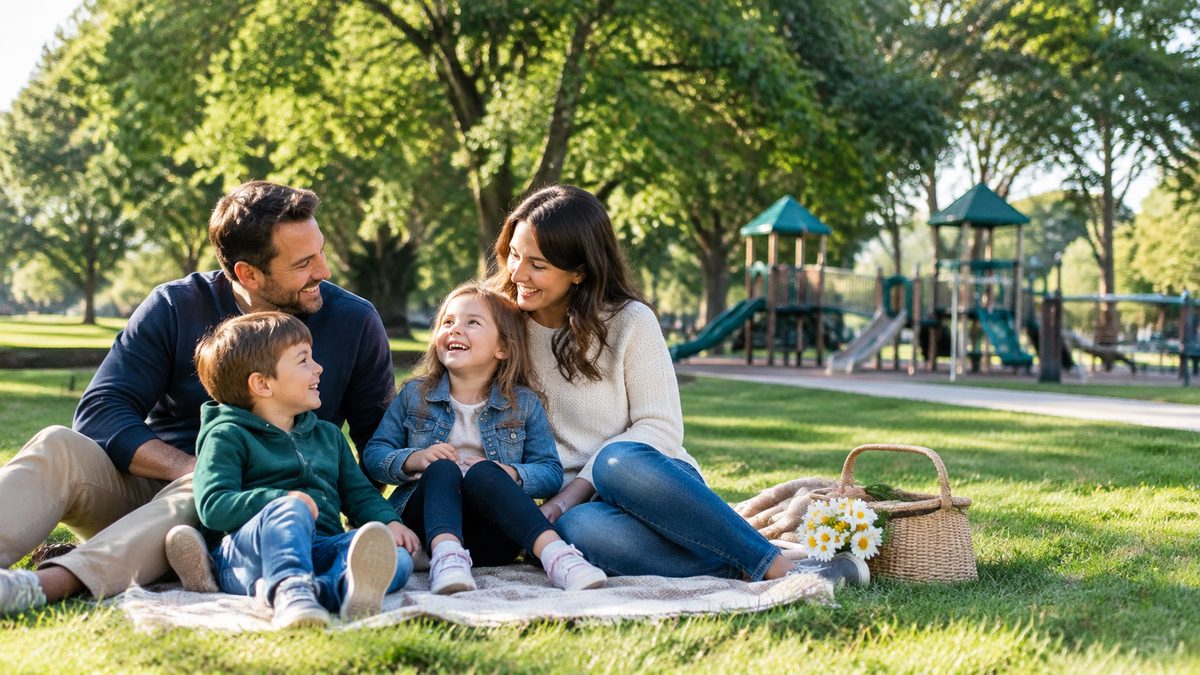
Image: AI-generated editorial illustration; it does not document a particular venue or visit.