Free Things to Do in Brunswick Melbourne
The best free things to do in Brunswick Melbourne are walking Sydney Road, finding street art, visiting local parks, and following Merri Creek. These places reveal the suburb better than a paid attraction can. You can see how Brunswick, Victoria grew, where people gather, and how old industrial sites have found new uses. Some free activities need bookings or have limited public hours. It only needs a sensible route, water, and enough time to stop when something catches your eye.
The main idea is simple: explore Brunswick as a connected walk instead of collecting isolated sights. Its shopping strips, back lanes, parks, and creek paths sit close enough to link together. You will spend less time in transit and notice details that disappear through a car window.
Where should you begin a free day in Brunswick?
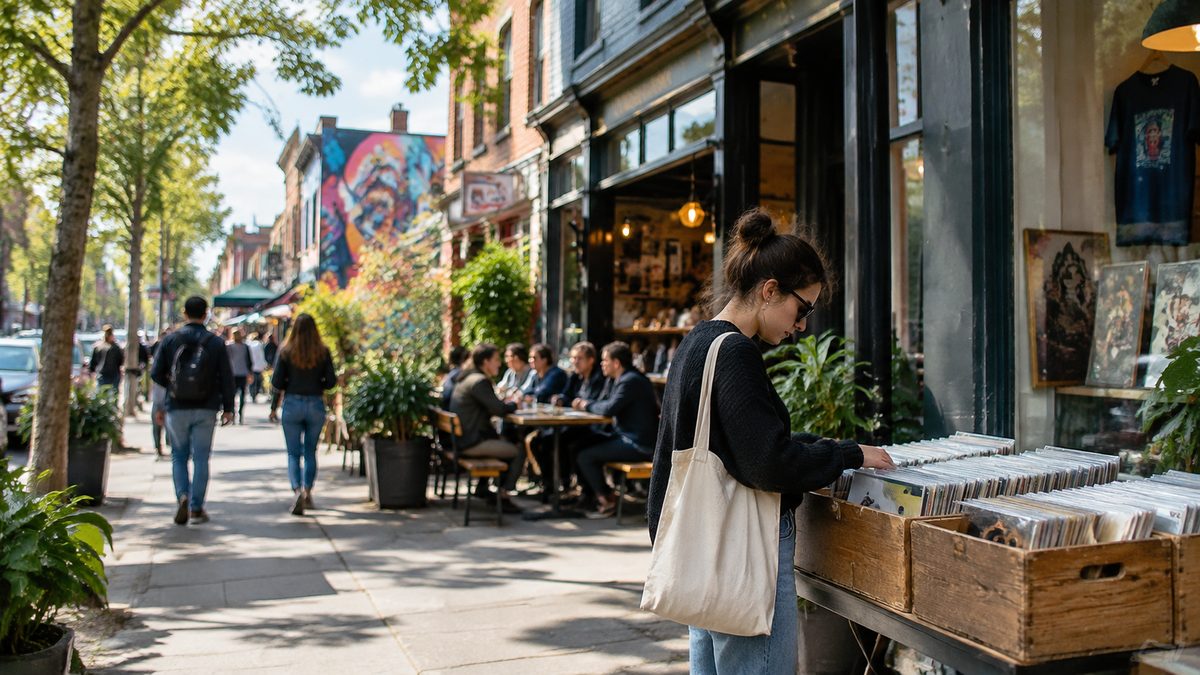
Begin near Sydney Road because it gives you an immediate sense of the suburb. Trams run along the street, but walking lets you study the shopfronts, old signs, music venues, community buildings, and narrow side streets. Start near the southern end of Brunswick and move north at an easy pace.
Do not treat Sydney Road as a race between landmarks. The pleasure comes from looking closely. Some buildings still carry faded business names above newer stores. Upper floors often keep older windows and decorative brickwork even when the ground floor has changed. These small details explain how the street developed as a working commercial strip.
Pause at public noticeboards and community posters. They show what is happening in the suburb without asking you to buy a ticket. You may find notices for local exhibitions, repair events, public talks, or neighbourhood gatherings. Plans change, so read dates before building your day around an event.
A short section of Sydney Road can be enough for an unhurried outing. Treat the plan as a suggested walk, not a report of a personally guided visit.
How can you find Brunswick’s best street art?
Leave the main road and check the legal walls, railway edges, service lanes, and backs of commercial buildings. Street art changes often, so a wall shown in an old guide may look different when you arrive. That change is part of the experience. You are seeing a live public gallery rather than a fixed collection.
Look for large murals first, then move closer. Smaller pieces often carry more local character. Stencils may refer to housing, transport, music, or community campaigns. Stickers and paste-ups can disappear within days. Tags may overlap painted work. The wall records who used the space and when.
Art is easiest to appreciate when you give each work some context. Notice whether it faces a busy road or sits in a quiet lane. Look at how the artist used pipes, doors, brick, or old paint. A piece designed around a roller door may only appear complete when the business is closed.
Respect working lanes while you explore. Keep driveways clear, avoid touching fresh paint, and do not enter fenced land for a better photo. Early morning often gives you quieter lanes, but some works on shop shutters will be hidden once businesses open. Late afternoon can reveal those shutters again.
Which local parks are worth visiting?
Brunswick Park is useful when you want a simple break close to the surrounding streets. It offers open space for sitting, reading, or eating food you brought from home. It works best as part of a walking route rather than as a full-day destination.
Gilpin Park has a different feel. Its broad open areas suit a longer rest, casual exercise, and people watching. The park also shows how former industrial land can become public space. Walk around its edges rather than stopping at the first patch of grass. The boundaries reveal how homes, paths, and old work sites meet.
Choose parks by what your body needs. After hard footpaths and busy roads, grass and shade can reset your energy. Bring a refillable bottle and a small picnic. That keeps the day free and prevents hunger from deciding your route.
Counihan Gallery at 233 Sydney Road is a council-run free public gallery. Check its current exhibitions and opening dates before adding it to your day.
What can you do along Merri Creek without spending money?
Merri Creek gives you the best change of pace in the area. The sound drops, the path opens, and the route feels separate from the shopping streets. You can walk, run, watch birds, sketch, or sit beside the water without paying an entry fee.
The Merri Creek Trail is shared by walkers and cyclists. Keep left, stay aware at bends, and step off the moving line before stopping. Dogs, runners, children, and fast bikes can appear with little warning. Headphones make it harder to hear bells, so keep the volume low.
Watch how the creek changes over a short distance. Some banks feel open and dry. Other sections have thicker plants and more bird calls. Bridges provide useful viewing points, but narrow crossings are poor places to block the path. If you want to take photos, move to a wider shoulder first.
After heavy rain, expect mud, pooled water, or a stronger flow. Never enter floodwater or climb onto a wet bank. A free outing loses its value when poor footwear turns the return trip into a struggle. Closed shoes with grip are the practical choice.
Include the walk to and from public transport when setting a creek turnaround time. Leave enough energy for the return route and its slopes.
Is CERES free to visit?
CERES Community Environment Park can be explored without buying an admission ticket. It sits in Brunswick East and works well as the eastern end of a Brunswick walk. The site focuses on community life, food growing, environmental learning, and practical ways to use resources with less waste.
You can walk through accessible public areas, observe garden spaces, and explore a working community environment park. Conditions can change when classes, works, or private activities use part of the grounds. Follow signs and respect areas marked for staff, learners, or volunteers.
CERES is easy to misunderstand if you arrive expecting a polished theme park. Its value lies in seeing working systems. Compost, water use, garden beds, and reused materials are part of the place. Some areas may look rough because they serve a real task rather than a display.
Families can use the visit as a simple observation game. Ask children to spot ways that water is collected, food is grown, or old materials gain a new purpose. Adults can do the same. Looking for one clear idea to copy at home makes the visit more useful than walking through without a focus.
Entry may be free, but food, workshops, produce, and other goods cost money. Bring your own snack if the aim is a zero-spend day. Check opening access before travelling because community sites may alter public hours or close areas for events.
How do you turn these places into one practical route?
A strong route moves from the busy centre toward quieter green space. Start on Sydney Road, explore nearby lanes, rest at a local park, then head east toward Merri Creek. Finish at CERES Community Environment Park if its public areas are open. This order makes the day feel varied without forcing you to cross the same ground several times.
Use landmarks instead of watching your phone at every corner. Railway lines, major roads, parks, and the creek make clear reference points. Download an offline map before leaving if your data is limited. Mark your nearest tram stop and train station so you have an easy exit when your energy drops.
For a shorter outing, choose one urban section and one green section. Pair Sydney Road with street art, or combine Gilpin Park with a walk toward Merri Creek. Trying to cover every site can turn a relaxed day into a distance target.
Allow at least half a day for the full route. Walking time tells only part of the story. You will stop for murals, read signs, watch activity in the parks, and take wrong turns into interesting lanes. Those pauses are the point.
What should you bring for a zero-spend outing?
Bring what prevents small costs. A filled water bottle removes the need to buy a drink. A packed snack stops an unplanned food order. Sunscreen and a hat make exposed sections easier. A light rain layer can save the day when Melbourne weather shifts.
Your phone should have enough charge for maps and public transport information. A small power bank helps on longer walks. Carry any rubbish until you find a bin, especially beside the creek where loose wrappers can reach the water.
Wear shoes that can handle pavement, grass, and a damp trail. Fashion shoes may feel fine on Sydney Road but become uncomfortable beside Merri Creek. If someone in your group uses a wheelchair or pram, check current path conditions before leaving. Construction, mud, and steep approach streets can change an otherwise suitable route.
A notebook can add purpose without cost: record mural locations, sketch a building detail or write down an idea from the visit.
How can you enjoy Brunswick without treating it like a backdrop?
Remember that these streets and parks are part of daily life. People live beside the murals, commute along the trail, exercise in the parks, and work behind the shopfronts. Keep noise down near homes. Ask before taking a close photo of a person, performer, or market worker.
Do not assume every worn building is abandoned. Brunswick has active workshops and private yards that can look empty from the street. Stay on public paths and respect gates. The most interesting route is still a poor choice if it depends on trespassing.
Read plaques and public signs where they appear. They can explain older industries, community campaigns, or restoration work. Street names and building forms also offer clues. Wide doors may point to a former workshop. Repeated narrow shopfronts show how businesses once occupied small plots.
The suburb changes from block to block, but the free experience has one clear thread: public space holds its story. You can read that story through walls, buildings, parks, and water. Paying closer attention gives you more than rushing between popular photo spots.
What is the best plan for your first free visit?
Use a flexible route with one firm endpoint. This sample plan keeps the day simple:
- Start on Sydney Road in the morning and inspect old shopfronts, posters, and side lanes.
- Follow public lanes to find street art, then stop at Brunswick Park or Gilpin Park for a packed snack.
- Walk east to the Merri Creek Trail and choose a turnaround time before following the water.
- Finish at CERES Community Environment Park if access is open, then leave from the nearest suitable transport stop.
Check the weather, transport changes, park access, and creek conditions on the day. Free places rarely need bookings, but works or local events can affect the route.
Your next step is to save this route, pack water and food, and set out on foot with enough time to notice Brunswick between the marked stops.
Editorial fact check — 11 October 2026. Merri Creek and CERES are reached through Brunswick East, a separate suburb. This is an unmeasured suggested outing; transport, meals, workshops and purchases may cost money. Gallery access and any free event depend on current opening dates and booking conditions. Sources: https://www.merri-bek.vic.gov.au/exploring-merri-bek/arts-merri-bek/counihan-gallery/counihan-gallery-in-brunswick-/ and https://ceres.org.au/visit/.
Explore more local guides at https://brunswicklocal.pages.dev/.
Image: AI-generated editorial illustration; it does not document a particular venue or visit.