Code Black Brunswick Cafe Guide
Code Black Brunswick HQ combines a roastery, cafe and retail space at 15–17 Weston Street. The operator lists blends, rotating single origins and several brewing options, alongside a seasonal food menu. Use the current menu to choose a familiar drink or something new; production areas and activities may not be open for viewing.
This code black brunswick cafe guide focuses on how to use that choice well. The main idea is simple: decide whether you want comfort or discovery before you order. That one choice helps you select the right beans, brew style, food, seat, and visit time without turning coffee into a test.
What makes the Weston Street venue different?
The cafe sits within Code Black’s home base in Brunswick, Victoria. Coffee roasting takes place close to the customer area, so the room has the scale and energy of a working coffee business. Bags, equipment, staff movement, and production details form part of the setting. The experience feels connected to the product rather than built around decoration alone.
That setting suits curious drinkers because it makes the chain from green bean to cup easier to see. Roasting develops the flavours already held within a bean. The bar team then uses grind size, water, dose, and brew time to draw those flavours into the drink. Small changes at either stage can make the same coffee taste sweeter, sharper, heavier, or thin.
You do not need technical knowledge to enjoy the venue. The useful point is that the cafe can offer more guidance than a place serving one fixed house blend. If you say what you normally drink and what flavours you enjoy, staff can steer you toward an accessible option.
How should you choose your first drink?
Start with your normal order if you want a clear measure of the cafe. A flat white, latte, cappuccino, or long black lets you compare the drink with versions you know. A familiar order also reveals whether the roast style suits you without the noise of an unfamiliar brewing method.
Choose Espresso when you want the most direct view of a coffee. It has a small serving size and a concentrated flavour, so sweetness, acidity, texture, and finish appear quickly. Ask which coffee is running through the Espresso machine because the answer may change. The house option will often aim for an easy, repeatable cup, while another bean may taste brighter or more unusual.
Choose a filter brew when clarity matters more than weight. Drip coffee usually has a lighter body than espresso, yet it can reveal more detail as it cools. Fruit notes may become clearer after several minutes. A filter coffee can look weak to someone used to a dark flat white, but colour does not measure flavour or caffeine in a useful way.
If you are unsure, describe taste rather than using coffee terms. Say, “I like chocolate flavours and low acidity,” or, “I want something light and fruity.” That gives the barista more useful information than asking for the “best” bean. The best choice is the one that fits your palate and the way you plan to drink it.
When is single origin worth ordering?
Single-origin coffee is worth ordering when you want to taste traits linked to one producer, region, or defined lot. It may offer a clearer flavour story than a blend, which combines coffees to create a steady result. Neither format is a mark of higher quality on its own. They solve different needs.
A blend is often the safer match for milk. Roasters can build enough sweetness and body to remain clear after milk softens the cup. A single origin can work well with milk too, but some delicate flavours may fade. If the tasting note sounds floral or tea-like, black coffee will usually show it more clearly.
Tasting notes are easier to understand when linked to familiar foods. “Stone fruit” does not mean peach juice was added. It describes a flavour resemblance; “chocolate” similarly describes a cocoa-like impression rather than an added syrup.
Ask two questions before choosing: how does it taste, and which brew method suits it? Those answers are more useful than memorising an origin name. A bean that shines as drip coffee may feel too sharp for your usual milk drink. Another may produce a rich espresso but lose detail through a paper filter.
What should you know about the roasting style?
Code Black built its name around Specialty coffee, which means the beans, roasting, brewing, and service receive close attention. The phrase does not promise that every drink will match every palate. It signals a focus on quality, traceability, and controlled Coffee preparation.
Roast level shapes the result, but labels such as light, medium, and dark can be rough guides. Brew method matters too. A coffee roasted for filter may need a different approach from one designed for espresso. Freshness also affects how gas leaves the grounds and how water moves through them.
A common mistake is to treat very fresh beans as automatically better. Coffee often needs a resting period after Coffee roasting. During that time, trapped gas escapes and the bean becomes easier to brew with care. A bag roasted yesterday may behave less predictably than one rested for several days. This is one reason a roaster’s suggested recipe and use window matter.
If you buy beans, ask when the roastery recommends opening the bag. Also say how you brew at home. Staff need to know whether you use an automatic machine, a manual filter, or another setup. The right bean with the wrong recipe can disappoint, while a simple recipe can make a familiar coffee much better.
How can you read the menu without overthinking it?
Use the menu to decide how large you want the visit to be. A quick coffee needs a different choice from a slow meal. If you plan to compare two brews, keep the food simple enough that strong sauces or heavy sweetness do not cover the coffee’s flavour.
For a full meal, choose the dish first and let the coffee support it. Rich food often works well with a milk coffee or a full-bodied black brew. Lighter food leaves more room for a delicate filter. This is a practical pairing rule, not a strict one.
Menus and prices change, so avoid building the visit around one dish seen in an old photo. Look at the current menu when you arrive. Ask about serving size if you are deciding between a small plate and a larger breakfast. Photos can make portions look bigger or smaller because the plate fills the frame.
Diet needs should be raised before ordering. Tell staff clearly if an ingredient creates an allergy risk. A preference and a serious allergy require different kitchen controls, so direct language helps the team respond properly.
Where should you sit inside the roastery cafe?
Your seat can change the visit. The open, industrial setting creates visual interest and a sense of movement. It can also be louder than a small cafe when the room is busy or production work is active.
Choose a seat near the main activity if you want to watch drinks being made and feel the pace of the venue. Pick a quieter edge when conversation matters. If you plan to open a laptop, first check whether the table is suitable and whether the cafe is entering a busy meal period. A large table at peak time serves the room better when it remains available for groups.
A barista may adjust a grinder as beans and conditions change. If you are curious about an adjustment, ask during a quiet moment. This is general brewing context rather than an account of an observed visit.
The useful lesson is to expect care without expecting silence. This is a working hospitality space. It fits a relaxed catch-up or solo coffee well, while a private meeting may need a calmer room elsewhere.
When should you arrive for the best experience?
Arrive outside the main brunch rush when you want time to discuss beans or compare brew methods. Weekends and late mornings can bring more people, more noise, and longer waits. An earlier visit often gives you a clearer view of the room and more space to consider the menu.
Check the venue’s current opening hours before leaving home. Cafe hours can change on public holidays or during special events. Social posts and old directory listings may remain online after details change, so use a current official listing where possible.
Allow more time if you want food or a filter brew. Espresso drinks can move through the bar quickly, while some manual methods need a separate preparation process. That wait is part of the method rather than a sign that the order was forgotten.
How do you fit the cafe into a Brunswick visit?
The venue is on Weston Street, within easy reach of the wider inner-north cafe area. Sydney Road is the best-known local spine, but the worthwhile stops spread into nearby side streets and converted work spaces. Code Black rewards that short move away from the busiest strip.
Plan your route before you arrive if you are using public transport. Check the current tram, train, or bus option because service changes can affect the final walk. If you drive, leave time to find legal parking and read the signs. Inner-city limits can change from one section of a street to the next.
A cafe crawl needs restraint. Two full milk coffees and two meals can dull your palate before the most interesting stop. If Code Black is your main coffee destination, visit it first or order smaller drinks elsewhere. Water between stops helps you taste each cup with more clarity.
What do coffee newcomers often get wrong here?
The first mistake is ordering from tasting notes alone. A coffee described with berries may still taste sharp to someone who prefers cocoa and caramel. Use the notes as a direction, then tell the barista what you enjoy.
The next mistake is adding sugar before tasting. There is nothing wrong with sweetening coffee, but take one sip first. The roaster may have developed enough natural sweetness to change how much sugar you want.
People also drink filter coffee too fast. Heat can hide detail. Let the cup cool and take another sip. What tastes plain at first may become sweeter and more distinct after several minutes.
Another error is judging strong coffee by bitterness. A harsh cup can taste intense without being well extracted. Strength describes how concentrated the drink is. Extraction describes what the water pulled from the grounds. You can have a strong coffee that tastes sweet and a weaker one that tastes dry.
Finally, do not feel pressure to perform expertise. Clear preferences help more than technical terms used without context. “I want a smooth black coffee with low acidity” is a useful order. The cafe’s role is to turn that request into a suitable drink.
How can you take the experience home?
Buying beans makes sense when you enjoyed a specific cup and can reproduce a similar method. Ask for the coffee’s name, roast date, recommended dose, water amount, and grind range. Your grinder may use different numbers, so treat any setting as a starting point.
Good water matters because brewed Coffee is mostly water. Very hard water can mute acidity and create scale inside an Espresso machine. Water with too few minerals may produce a flat or sharp cup. Filtered water often gives a cleaner result and protects equipment, though the best choice depends on local water and the machine maker’s advice.
Change one recipe item at a time. If the cup tastes sour and runs quickly, grind finer before changing the dose. If it tastes dry and takes too long, try a coarser grind. Changing every setting at once hides the cause.
For a hypothetical home-brewing example, a bag may produce fast shots when the grinder still has a setting suited to a previous coffee. Adjusting the grind while keeping the dose steady can help identify the cause. This example describes a possible troubleshooting step, not a client case.
Store beans in their sealed bag, away from heat and direct light. Buy an amount you can use while it remains fresh. Freezing can work for longer storage when portions are sealed well, but repeated opening allows moisture and air to reach the beans.
What is the best way to make your visit count?
Treat Code Black Brunswick as a chance to make one clear coffee choice rather than sample everything. Start with the flavour you already like, then move one step beyond it. A milk-coffee drinker might try the same espresso black. A long-black drinker might order a filter from an origin with familiar tasting notes.
This approach keeps the visit enjoyable and teaches you something useful about your own taste. You leave knowing whether you prefer more body, more clarity, lower acidity, or a fruit-led cup. That knowledge improves every later cafe order and helps you choose better beans for home.
Your single action: tell the barista your usual drink and one flavour you enjoy, then ask for the closest coffee that reveals something new.
Venue facts checked on 11 October 2026 against Code Black’s official Brunswick HQ page: https://codeblackcoffee.com.au/pages/brunswick-hq. Menus and brewing choices can change; confirm directly. General freshness background: https://sca.coffee/sca-news/coffee-decoded-9-fresh-coffee.
Explore more local guides at https://brunswicklocal.pages.dev/.
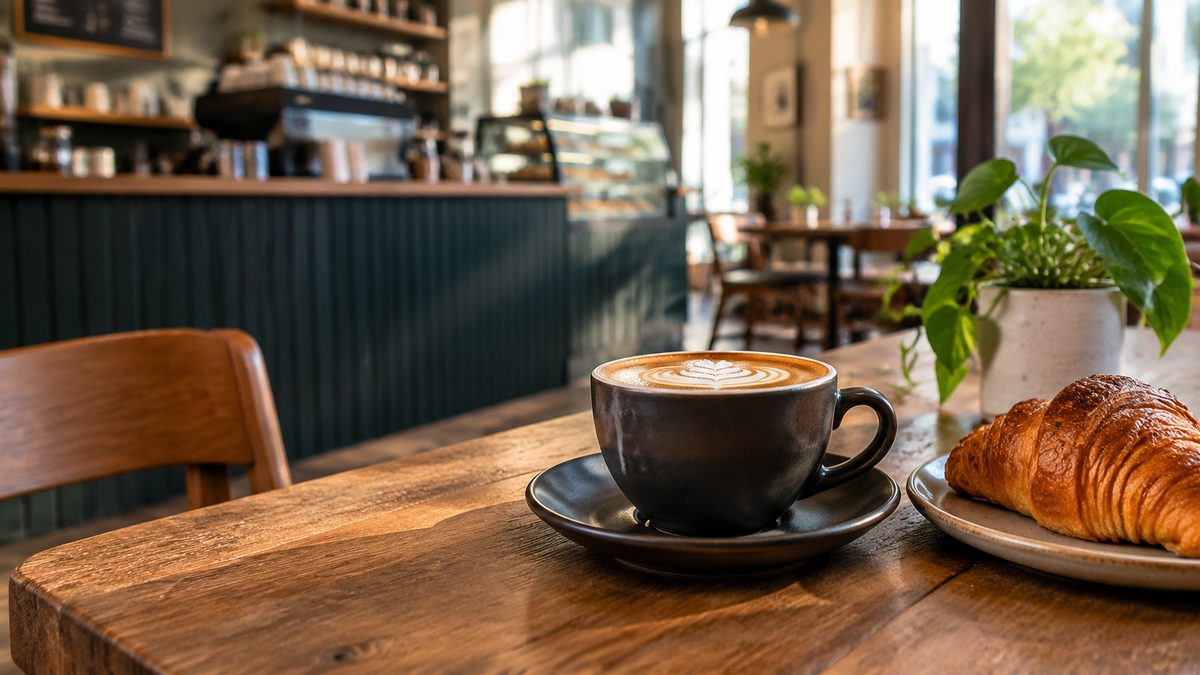
Image: AI-generated editorial illustration; it does not document a particular venue or visit.