Brunswick Shopping for Everyday Essentials
For everyday shopping in Brunswick, start with your actual list and a nearby shop that can cover most of it. Sydney Road is one useful corridor; if you include Lygon Street, check the address carefully because destinations may be in neighbouring Brunswick East. This guide offers a planning method, not a verified inventory of every store, its stock or current prices. Confirm the businesses you need before travelling.
The main idea is simple: use a large store for the base of your shop, then use nearby independent traders for fresh items, urgent needs, or products that the large store does not stock. Plan around distance, weight, and opening hours. This gives you more choice while keeping the trip practical.
Which shopping area fits your list?
Sydney Road runs through Brunswick and can be an anchor for a mixed shopping trip. Check that the specific grocery shop, pharmacy, repair shop or other service you need is currently operating and has suitable hours. A corridor may offer several options, but no single stretch is guaranteed to cover every errand without extra travel.
Lygon Street can be useful for errands in Brunswick East, a separate neighbouring suburb. Check the exact suburb and entrance for each business rather than treating the street as part of Brunswick. A shop near your home or station may suit a quick top-up, depending on its actual stock and your route.
Do not treat the busiest street as the automatic answer. Start with the item that is hardest to find. If you need a prescription, begin near the right pharmacy. If you need a full grocery load, begin near a supermarket. If dinner is the main task, begin near the fresh Food shop or takeaway you plan to use. Build the rest of the route around that anchor.
How should you divide a weekly grocery shop?
A large supermarket works well for heavy staples and products where brand choice matters. Buy items such as milk, rice, cleaning supplies, pet food, and canned goods there. These products are easy to compare, often heavy, and less likely to improve because you carried them across several shops.
Independent grocers, bakeries, butchers, and specialty food stores earn their place when freshness, portion size, or product knowledge changes the result. A produce shop may let you buy the exact amount needed for two dinners. A butcher can cut meat to suit a recipe. A bakery gives you a better chance of buying bread for the next day rather than a full week.
A possible routine is a base shop for predictable needs and a smaller top-up for fresh produce or forgotten items. Adjust it to your household, storage and meal plans. This is a suggested method, not a routine tested during a personal visit or evidence from a Brunswick resident.
Check unit prices rather than the large number printed on a sale ticket. A smaller pack may cost more per kilogram, yet still be the better buy if half of the larger pack would be thrown away. Waste is part of the real price. Storage space matters too, especially in a small Brunswick apartment.
When does a small local shop make more sense?
A convenience store may suit a short list or an urgent gap in the pantry. Check the actual range, hours and unit prices instead of assuming it is more expensive or open later. Compare the extra travel involved in another store before deciding.
Use small stores for gap filling. If one missing item blocks dinner, a five-minute walk beats a longer trip to save a modest amount. The same rule applies when bad weather, limited mobility, or a tight work break makes travel harder.
Small shops also help when you need advice. Staff at a local hardware shop may identify the right fitting from a photo. A pharmacist can tell you whether a basic health product suits your needs or whether you should seek medical care. A specialty grocer may explain how much of an ingredient to buy. That help can prevent a wrong purchase.
How can you shop without carrying too much?
Weight should shape the order of your stops. Buy light items first and cold or heavy goods last. This keeps chilled food out of the heat and stops you carrying bottles through every other shop. If you use a backpack, place firm items against the back panel and keep bread, herbs, and soft fruit near the top.
A folding trolley may help with carrying groceries, depending on your needs and the route. Check weight limits, wheel stability, footpath conditions and access on transport. For chilled food, use an insulated bag or container with ice bricks and go home promptly; insulation alone does not establish a safe travel time.
As a hypothetical example, a shopper walking ten minutes to a store may need more time or a different return plan when carrying milk, tins and detergent. This is not a documented resident story or a measured Brunswick route. Choose a manageable load and check return transport or delivery options.
Is public transport practical for daily errands?
A Tram along Sydney Road or Lygon Street can connect several shopping areas without parking stress. It works best when your stops follow the same line and your bags remain easy to control. Check live service information before leaving because works and service changes can affect the route.
Train stations can also act as useful shopping anchors. A shop near the station lets commuters collect essentials on the way home instead of making a second trip. The fastest routine often starts before the journey: keep a short list on your phone and choose the station exit closest to the store you need.
Do not confuse Sydney Road with Sydney. The road is a local Melbourne corridor running through Brunswick and nearby northern suburbs. This sounds obvious, but map searches can return distant results when a business name or suburb is missing. Add “Brunswick VIC” when checking directions.
Public transport becomes less useful when you have bulky goods, several bags, or items that must stay cold. In that case, shorten the shop, arrange delivery, or split the load across two days. A cheap fare does not save effort if the bags are unsafe to lift.
What should cyclists check before leaving home?
Cycling can be the quickest option for a small shop, but the carrying setup matters more than the distance. A fixed basket or pannier keeps weight off your shoulders and makes the bicycle easier to control. Secure bottles upright and keep fragile food away from tools or locks.
Look for bicycle parking close to your final stop. A rack on a busy, visible part of the street is usually more useful than a quiet pole around the corner. Lock the frame and a wheel to a fixed stand. Take removable lights and valuable accessories with you.
Plan the return route for the loaded bike. A road that feels easy on the way out may feel less safe with groceries changing the bike’s balance. Avoid hanging shopping bags from the handlebars. They can swing into the front wheel and affect steering.
How do opening hours change the best route?
Opening hours decide whether a route works. Large supermarkets may trade later than independent shops, while pharmacies, market-style grocers, and service counters may close earlier. Put the store with the shortest trading window first.
Sunday hours, public holidays, and holiday periods need extra care. Online listings can be wrong when a business has changed its schedule without updating every platform. Check the store’s own website or social page, then call if the item is urgent or the trip is long.
Stock and baking schedules vary between businesses. Ask the particular store when an item is available rather than assuming early mornings guarantee the widest range or that discounts appear near closing. If substitutions would not work, confirm stock before travelling.
How can you compare value without visiting every store?
Set a price point for the products you buy often. You do not need a record of every shelf price. Track the items that have the largest effect on your bill, such as coffee, nappies, meat, pet supplies, or a regular health product. A note on your phone is enough.
Compare the full cost of the trip. A lower shelf price can lose its value once you add fuel, fares, parking, delivery fees, or extra purchases made along the way. Time has a cost too. Saving two dollars does not help if the detour takes forty minutes.
Loyalty offers deserve the same test. Use them when they reduce the cost of goods already on your list. Ignore them when they require a larger pack, a second item you do not need, or spending above your normal budget.
Local Retail can offer value that does not appear on a price label. Exact quantities reduce waste. Repair advice can extend the life of an item. Staff may order a product rather than make you search several stores. These benefits count when they solve a real need.
Where does clothing fit into an essentials trip?
Clothing becomes an everyday need when you must replace socks, underwear, work basics, children’s wear, or wet-weather gear. Keep this task separate from browsing for vintage pieces or fashion finds. The goal is a usable item in the right size at a fair price.
Write down the size, required colour, fabric needs, and spending limit before visiting. If you are replacing a worn item, take a photo of its label and measurements. Sizes vary between brands, so compare the garment itself rather than trusting the number on the tag.
Check the care label before buying. A cheap item that needs special cleaning may cost more over time. Inspect seams, fasteners, and fabric thickness. For children, allow enough room for movement without buying so large that the item becomes unsafe or uncomfortable.
What causes an everyday shopping trip to fail?
The most common problem is starting without a clear list. This leads to repeat visits, missed items, and impulse buys. Group the list by store type so you can see whether one stop will cover most needs.
The second problem is ignoring the trip home. People often plan how to reach the shops but forget the weight of the return load, the afternoon heat, or a delayed service. Decide how much you can carry before filling the basket.
Another mistake is treating every errand as equally urgent. Medicine needed today should shape the route. A household item that can wait until the weekend should not add a long detour. Mark each list item as “today” or “later” before leaving.
A final problem is assuming stock. A store may normally sell the item yet have none available that day. For a specific medicine, uncommon ingredient, size, or repair part, call first. A one-minute check can prevent an empty trip.
What is the simplest plan for a useful shopping run?
Choose one anchor store that covers most of the list. Add nearby stops only when they supply something the anchor cannot provide well. Put limited-hour shops first, then finish with cold and heavy goods. Choose walking, bicycle, public transport, or a car based on the return load rather than the outward trip.
- Write one list and mark urgent items.
- Group products by the type of shop that sells them.
- Check hours and confirm any hard-to-find stock.
- Choose a route with the least backtracking.
- Pack bags that suit the expected weight.
- Buy chilled and heavy products last.
Your actionable takeaway: before your next Brunswick shopping trip, choose one anchor store and build the shortest possible route around it.
Editorial checks: 11 October 2026. This is general shopping and route-planning guidance, not a personal shopping report. Brunswick and Brunswick East are separate suburbs; confirm every business address, opening time, price and stock directly. Unit-price guidance: https://www.accc.gov.au/consumers/pricing/unit-prices-for-groceries. Chilled-food transport guidance: https://www.foodstandards.gov.au/business/charities/temperature-control. Transport maps and current journey planning: https://transport.vic.gov.au/plan-a-journey/network-maps/melbourne-public-transport-maps.
Explore more local guides at https://brunswicklocal.pages.dev/.
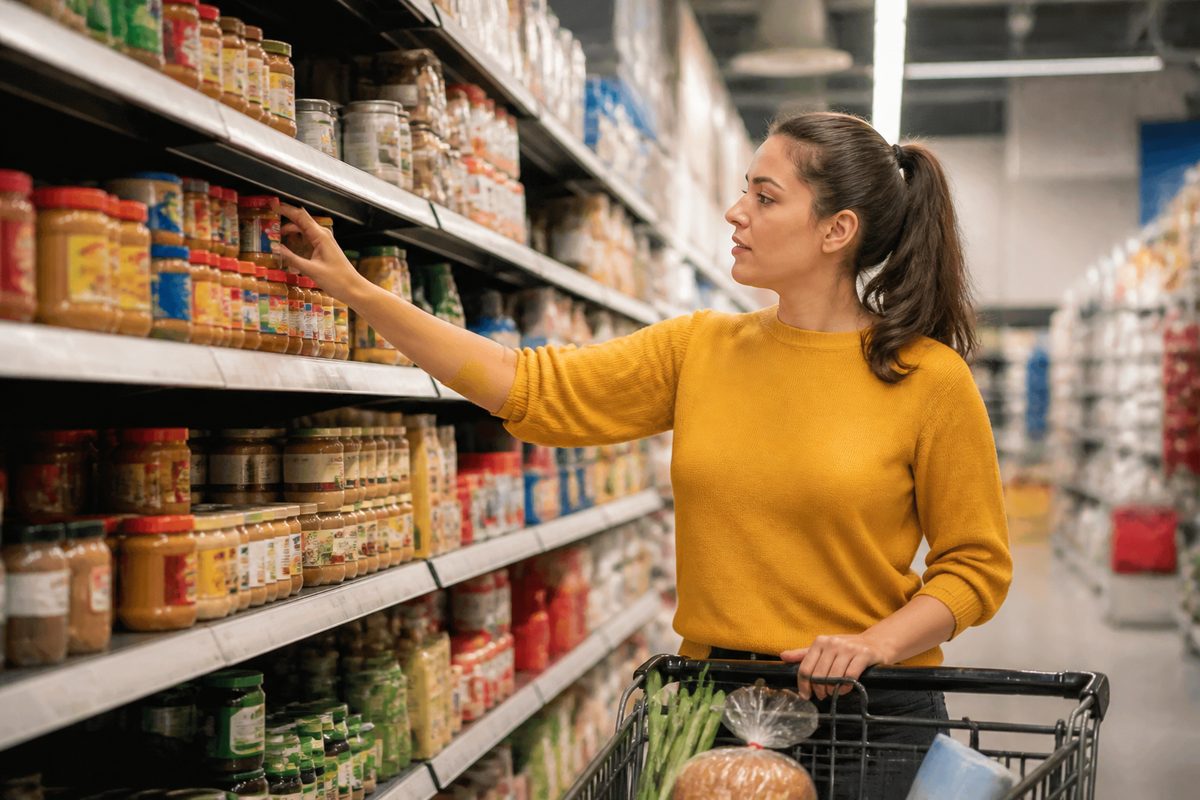
Image: AI-generated editorial illustration; it does not document a particular venue or visit.