Brunswick Public Toilets and Visitor Amenities
The easiest way to find Brunswick public toilets and visitor amenities is to plan around civic buildings, major parks, shopping areas and staffed transport facilities. Do not wait until the need becomes urgent. Toilet access can change with opening hours, maintenance work and local events, so check current council information before leaving home and confirm signs when you arrive.
Brunswick is easy to explore on foot, by Bicycle and by Public transport. Yet a short outing can become stressful when a toilet is locked, a parent cannot find a change space or a visitor discovers that an Accessible toilet does not meet their needs. A simple amenity plan removes much of that stress.
This guide explains how to judge likely toilet locations, choose useful rest points and build a route with backup options. It stays focused on practical facilities for people spending time in Brunswick's streets, parks and activity areas.
Where are you most likely to find a usable public toilet?
Start with places designed for longer public visits. Council buildings, recreation grounds, large parks and busy retail centres are more likely to have toilets than small reserves or quiet side streets. A staffed venue is also easier to assess because you can ask whether a facility is open, where it is and whether a key is required.
The civic area around Brunswick Library, Brunswick Baths and nearby community facilities is a useful planning zone. Each venue has its own entry rules and opening times, so treat it as an area with possible options rather than one guaranteed toilet stop. Check the facility you plan to use before relying on it.
Busy sections of Sydney Road may provide toilets inside larger shops, cafés or a Shopping mall. These are customer facilities rather than automatic public facilities. Staff may limit access, and toilets may sit behind a service desk or secure door. Buying a small item does not guarantee entry, so ask politely before assuming access.
Public parks can be useful during daylight hours, especially where there are sports fields, playgrounds or community pavilions. Small parks often have no toilet. A toilet block shown on an old map may also be closed for cleaning or repairs. Look for recent council listings and keep another location within a comfortable distance.
How can you tell whether a facility will suit your needs?
A map pin only tells you that a toilet may exist. It does not tell you whether the path is level, the cubicle is open or the room has the equipment you need. Accessibility needs a closer check.
For an Accessible toilet, confirm the entrance route, door width, internal turning space and grab rail setup. Check whether access needs a key or staff help. A person who uses a wheelchair may also need to know if the route contains a steep ramp, heavy door or narrow approach.
Parents may need a change table, room for a pram and a private place to help an older child. These features are not present in every accessible cubicle. A standard toilet symbol cannot confirm them. Venue information or a quick phone call gives a stronger answer.
People with continence needs often judge a route by time rather than distance. A facility that is 300 metres away can still be unsuitable if the path crosses several lights or has no safe place to pause. Measure the full route from the point where the need may arise.
Think of access as a chain. The footpath must lead to the entrance, the entrance must be open and the toilet must work for the person using it. One broken link makes the facility unusable.
Which amenities matter beyond the toilet itself?
A good rest point lets you solve several needs in one stop. Shade, seating and water can matter as much as the toilet. Families may also need a calm place away from traffic, while older visitors may need a bench close to the path.
A Drinking fountain is useful for walkers and riders, but do not assume every park has one. Carry water when the weather is warm, then use a fountain as a refill point. Check that the tap is running before emptying your bottle.
Hygiene conditions vary between public facilities. Carry hand sanitiser and a small pack of tissues. Use soap and running water when available. Report serious damage, blocked toilets or missing supplies to the facility manager or council rather than leaving the problem for the next visitor.
Bins also affect how useful a stop feels. Nappies, wipes and sanitary products belong in a bin, never in the toilet. If no bin is available, seal the item in a bag and take it to the next suitable waste point.
Seating deserves more thought than it gets. A bench near a toilet allows one person to wait while another helps a child or companion. It can also give someone with low stamina time to recover before continuing.
How should transport shape your amenity plan?
Choose toilet stops that fit the route you will already take. Making a long detour can create more pressure than it solves. Brunswick's Transport network gives visitors several ways to move between activity areas, but each mode creates different needs.
A Tram route along a busy shopping strip offers frequent movement and many possible places to stop. It can also involve crowded platforms, traffic and uneven boarding areas. If you need reliable toilet access, choose a stop near a known civic or retail facility rather than getting off at a random intersection.
A railway station may look like the obvious choice because it acts as a Transport hub. Station toilets, where provided, can have restricted hours or access conditions. Never assume a station has an open public toilet because it appears large on a map.
Bus travel creates a similar issue. A timetable shows where the bus stops, not what amenities sit nearby. Check the walking path between the stop and your planned facility. A route across a major road may take longer than the map suggests.
If you arrive by car, look beyond parking availability. Ask whether the path from the parking space to the toilet is step-free and whether the facility stays open for the full length of your visit. Parking several blocks away can weaken an otherwise sound plan.
What should walkers and cyclists check before setting out?
People moving under their own power need facilities placed at sensible intervals. A direct route is often better than a scenic route when access to water or toilets matters.
For a Bicycle trip, find a place where the bike can be locked without blocking a doorway or ramp. Do not take a bike into a toilet unless the site allows it and there is enough room. A companion can watch the bike, but solo riders need a secure lock and a visible rack.
Shared paths can connect parks and recreation areas, yet facilities may sit away from the path behind a pavilion or sports ground. Note the exact entrance instead of saving only the name of the park. This prevents a rushed search around fences or closed gates.
Walkers should consider surface quality. A short route over broken pavement may be harder than a longer level route for someone using a mobility aid. Families with prams face the same issue at kerbs, narrow gates and crowded footpaths.
Warm weather changes the plan. Reduce the distance between water stops and choose shaded places for breaks. Carry enough water to reach the next confirmed refill point rather than relying on an untested fountain.
When are toilet plans most likely to fail?
Plans fail when they rely on one facility. Locked doors, private functions and cleaning can remove that option without warning. Save a primary stop and a backup before the visit begins.
Opening hours create another common failure. A toilet inside a library, pool or retail venue normally follows the building's hours. The toilet may also close before the wider precinct becomes quiet. Evening visitors need a different plan from people arriving at midday.
Event days can change access. Sporting matches and community events bring more people, longer queues and heavier demand on supplies. They may also open temporary facilities. Check event information, but keep your usual backup because portable toilets may not meet every access need.
Assuming that a café toilet is public causes awkward moments. Small businesses may reserve facilities for staff or customers because of building limits. Ask first and accept the answer without argument.
Old online reviews can mislead visitors. A review may describe a facility that has since been renovated, restricted or removed. Give more weight to current council information, recent venue details and signs on site.
How do you build a route with reliable backup options?
Mark the purpose of the outing first. A shopping visit needs stops near the retail strip. A park visit needs facilities near the entry and play area. A trip built around an appointment needs an option before arrival and another for the return journey.
Next, choose one facility that appears suitable. Record its hours, entrance and access conditions. Then choose a backup that uses a different building or management system. Two toilets inside the same locked complex do not form a real backup.
Place the first stop early in the route. This is helpful for young children and anyone whose need can change quickly. It also lets you confirm the state of the facility before moving farther from the main activity area.
Share the plan with the group. Use plain details such as, “The first toilet is inside the community building near the main entrance. The backup is at the larger retail centre.” This works better than telling people there should be a toilet somewhere nearby.
Save enough information to use without a strong phone signal. A screenshot of the map, opening hours and entrance note takes little space. Do not rely on a search result that may reload slowly when the need is urgent.
What makes an amenity stop safer and easier for families?
Children often notice the need for a toilet late. Keep stops close together and point out the next one before anyone needs it. This makes the plan feel normal rather than stressful.
An adult should check the facility before sending a child inside alone. Look at lighting, door locks and the location of other exits. Stay close enough to respond without blocking access for other users.
A compact outing kit can cover common gaps. Carry tissues, sanitiser and a sealable waste bag. Add spare clothing when caring for a young child or a person with continence needs. The kit should be small enough to stay with you, since supplies left in a parked car may be too far away.
Do not use an accessible cubicle as a general family room when someone else needs its access features. If it is the only practical option for a carer and child, use it promptly and leave it clean.
Teach children to leave the space ready for the next person. That means flushing, washing hands and placing rubbish in the correct bin. These habits protect Hygiene and reduce work for cleaners.
How should visitors respond when a facility is closed or unsuitable?
Move to the backup as soon as the problem is clear. Do not spend valuable time testing several locked doors around the same building. A clear backup route gives you a faster decision.
If access information was wrong, note the exact location and what failed. A useful report might say that the signed accessible entrance was locked at 2 pm or that the path was blocked. Specific details help the responsible team investigate.
For a maintenance issue, use the contact number shown on the facility or the council's current reporting channel. Report hazards such as water on the floor, damaged locks or overflowing waste. Avoid touching broken fittings.
If someone has an urgent medical or personal care need, ask staff at the nearest open civic building, major store or health service for help. Explain the need in one direct sentence. Staff may know of an available facility that is not obvious from the street.
What should you do before visiting Brunswick?
- Choose a primary toilet near the main purpose of your visit.
- Confirm current hours and access conditions through an official source.
- Save a backup run by a different venue.
- Check the full path if wheelchair, pram or mobility access matters.
- Carry water and basic hygiene supplies.
- Save the route details where you can open them quickly.
Before leaving, confirm one suitable toilet and one independent backup on your exact Brunswick route.
Editorial fact check — 11 October 2026. Merri-bek directs visitors to its Find a Park tool for toilet facilities; the National Public Toilet Map is another official planning resource. Council listings confirm toilets at Temple Park and Brunswick Park, but opening, maintenance and individual access needs must still be checked. Do not assume station or private café facilities are public. Sources: https://www.merri-bek.vic.gov.au/exploring-merri-bek/parks-and-gardens/park-amenities/ and https://toiletmap.gov.au/.
Explore more local guides at https://brunswicklocal.pages.dev/.
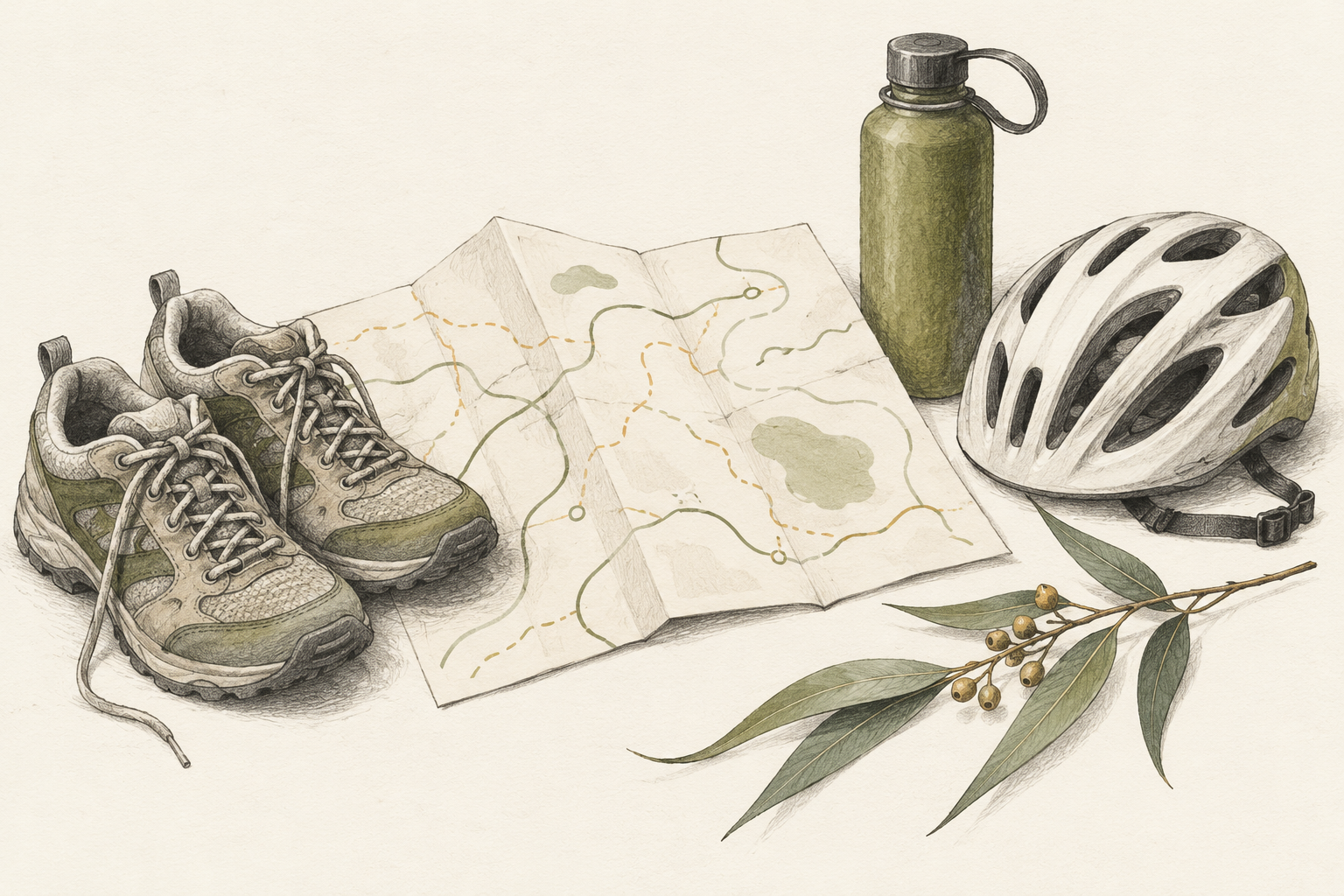
Image: AI-generated editorial illustration; it does not document a particular venue or visit.